



3D printing technology has advanced significantly in recent years, and there is now a wide range of 3D printers on the market. For any buyer, 3D printer prices dictate the purchasing decision, and whilst it is not the only factor to consider, it is unquestionably one of the most impactful factors.
When I first started exploring 3D printing over a decade ago, the market was dominated by expensive industrial machines that cost upwards of tens of thousands of dollars. Today, the landscape has transformed dramatically. At Manufactur3D, we track pricing trends across technologies quarterly, and I've witnessed how increased competition and manufacturing scale have made 3D printing accessible to everyone from hobbyists to large manufacturers. Industrial systems are still quite costly, but as application areas are increasing, the capital investment is starting to make sense now.
The cost of a 3D printer varies significantly based on the technology employed, build volume, precision requirements, and brand reputation. Whether you're a student experimenting with your first print, an engineer prototyping functional parts, or a manufacturer requiring production-grade equipment, understanding the pricing structure across different technologies will help you make an informed investment.
In this article, we will look at the price ranges of 3D printers for five major technologies: FDM, SLA/DLP (Resin), SLS, Metal 3D printing, and Multi Jet Fusion. Let me walk you through the current pricing landscape, drawing from our ongoing market analysis and hands-on experience with these systems.
If you are from India then read our article on 3D printer prices in India.
In case you wish to fast-track the purchase by talking to an expert and get free consultation, then do contact us from our contact us page.
3D Printer Prices for popular AM technologies
FDM 3D Printers
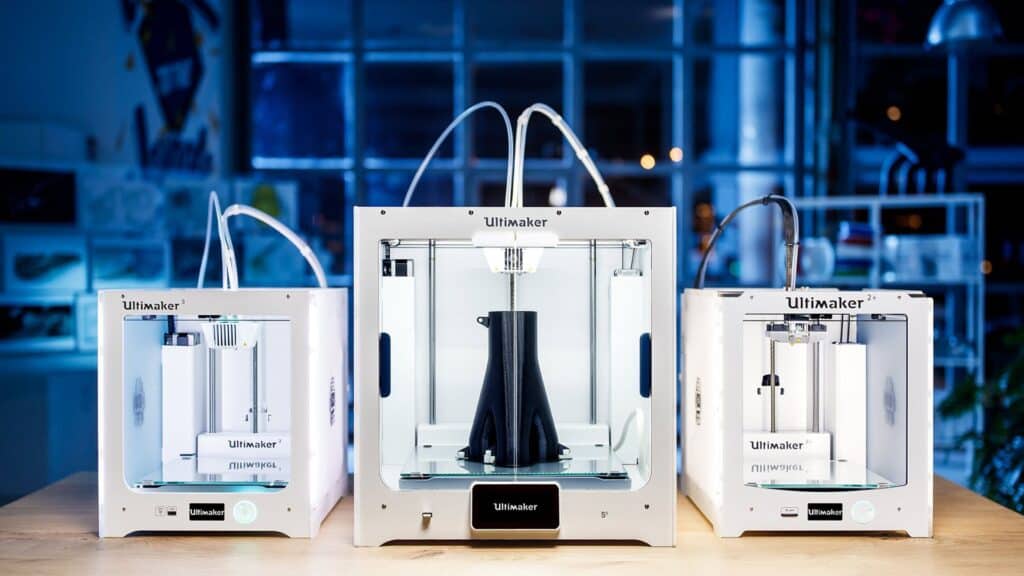
Fused Deposition Modelling (FDM) is the most widely used 3D printing technology, and it is found in a wide range of low-cost 3D printers. These printers work by extruding thermoplastic filament layer by layer, making them ideal for prototyping, functional parts, and educational applications.
From our experience reviewing dozens of FDM printers, I've found that the technology has matured significantly. Budget models today offer features that were once exclusive to premium machines—auto bed levelling, silent stepper motors, and flexible build surfaces have become standard even at lower price points.
The cost of FDM printers varies greatly depending on their size and capabilities, as well as their brand and model. FDM printers are available at a variety of price points, ranging from a few hundred dollars to several thousand dollars.
Entry-Level FDM Printers ($200–$500)
Some entry-level FDM printers cost as little as $200-$300, making them perfect if you're just getting started or pursuing 3D printing as a hobby. They offer decent print quality and reliability for their price, though you should expect some hands-on calibration and maintenance.
What drives these costs? Entry-level printers typically use open-frame designs with basic electronics and smaller build volumes (200–300 mm). They're manufactured at scale in China, keeping costs low. However, buyers often overlook the operational costs—filament consumption (typically $15–$30 per kg), nozzle replacements, and upgrade components can add up over time. Entry-level 3D printers regularly face printing issues, they're not consistent in their output, and there will be some variation in each part. But the output can be optimised using standard operating practices.
Examples of entry-level FDM 3D printer prices (indicative) are as follows:
- Creality Ender 3: Price $199
- Anycubic Kobra Neo: Price $249
One insight I always share: budget FDM printers are excellent for learning and prototyping, but not for continuous production. They require regular calibration and aren't designed for 24/7 operation. If you're planning production work, invest in the mid-range or professional tier from the start.
If you want to buy a 3D printer for even less money, you should wait for big sale days like Black Friday or Christmas sale offers. These are the best times to purchase a 3D printer.
Mid-Range to Advanced FDM Printers ($600–$6,000)
More advanced models with larger build sizes and additional features can cost $3,000 or more. This segment represents the sweet spot for serious makers and small businesses, offering larger build volumes, better reliability, and smart features like dual extrusion, heated beds, enclosed chambers, print resume, sensors to detect filament run-out, or high-speed printing capabilities.
Price range considerations:
- $600–$900: High-speed consumer models with CoreXY motion systems
- $1,000–$2,000: Prosumer models with dual extrusion or larger build volumes
- $3,000–$6,000: Professional systems with enclosed chambers and industrial-grade components
From my perspective, printers like the Prusa MK4 justify their premium through exceptional print quality and legendary reliability—it's the printer I recommend when someone needs something that "just works" without constant tinkering. The newer high-speed models from brands like Bambu Lab have revolutionised expectations, drastically cutting print times by 50% whilst maintaining quality comparable to slower machines.
Examples of advanced FDM 3D printer prices (indicative) are as follows:
- BCN3D Sigma D25: Price: $3,995
- Ultimaker S5: Price $5,995
Professional FDM systems ($5,000–$15,000)
These are built for continuous production and demanding engineering applications. They feature enclosed heated chambers, industrial-grade components, and support for engineering materials like PEEK and ULTEM. Professional systems incorporate precision linear rails, advanced motion systems, and proprietary material compatibility. The enclosed chambers enable printing of temperature-sensitive engineering polymers that would warp on open machines. In our testing, these printers demonstrate consistent dimensional accuracy even across multi-day prints—crucial for manufacturing applications.
SLA/DLP (Resin) 3D Printers
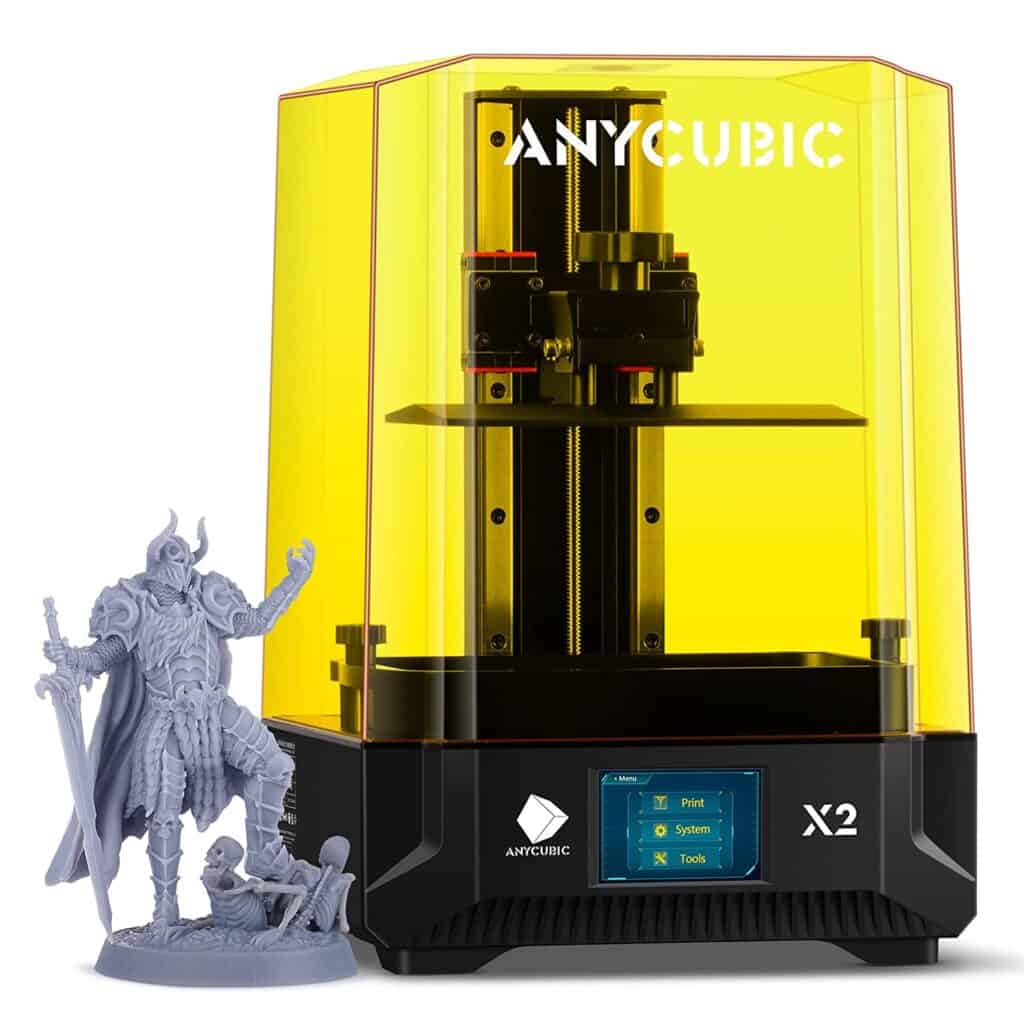
Stereolithography (SLA), Digital Light Processing (DLP), and Masked Stereolithography (MSLA) 3D printing technologies cure layers of resin into a solid object using a laser or UV light via projector. These printers deliver exceptional surface finish and fine detail that FDM simply cannot match, making them ideal for jewellery, dental models, miniatures, and applications requiring smooth surfaces.
These printers are typically more expensive than DIY or desktop FDM printers. The reason for the high cost is fairly obvious considering the fact that resin printers use costly lasers or powerful UV light and even mirrors to help in the printing process.
These printers have higher operational costs in addition to being quite messy to handle. The resin is toxic, and care should be taken to avoid exposure to its fumes or prolonged skin contact. This adds to the safety equipment requirements like gloves, masks, and sometimes even ventilation. The resins cost $30–$80 per litre, quite costly compared to FDM printing material.
Additional consumables include the FEP film attached to the bottom of the resin vat and the LCD screen that exposes the resin to UV light. Users generally forget to factor these costs into their calculations, and they can add significant expenses. Typically, an FEP film will last about 40–60 prints, and the LCD screen will last around 2,000 hours. This, however, can vary from brand to brand, so ensure that you enquire about these costs.
Lastly, the printed parts have liquid resin sticking to them and must be cleaned/washed with isopropyl alcohol, which further adds to the overall cost of operating the printer. You can either clean the parts in a home-made washing tub or buy a wash and cure system from any brand.
Entry-Level Resin Printers ($200–$500)
The cost of resin printers can range from a few thousand dollars to several tens of thousands of dollars. Prices for entry-level models have recently dropped significantly, and these MSLA printers can now be purchased for $200–$500. They've become remarkably affordable—resin printer costs have dropped by approximately 30% over the past three years due to increased competition from Chinese manufacturers.
What you get at this price point:
- Build volumes: 130–200 mm (diagonal)
- Resolution: 4K–6K LCD screens
- Layer heights: 10–50 microns
- Basic features: manual levelling, standard exposure settings
Examples of entry-level SLA/DLP 3D printer prices (indicative) are as follows:
- Phrozen Sonic Mini: Price $239
- Anycubic Photon Mono X2: Price $429
Mid-Range to Advanced Resin Printers ($600–$50,000)
More advanced models with larger build sizes and additional features can cost $5,000–$10,000 or more. These systems offer larger build volumes, higher resolution screens (8K–12K), and improved reliability suitable for small-scale production or professional applications.
Price range breakdown:
- $600–$1,000: Large-format MSLA with 8K screens
- $1,000–$2,500: Premium MSLA with advanced features or entry-level laser SLA systems
- $3,500–$10,000+: Professional large-format SLA systems for dental labs, service bureaus, and manufacturing
The jump to laser-based SLA (like Formlabs systems around $2,500) represents a significant step up in ecosystem support—proprietary resins are expensive but offer consistent, predictable results. From our experience, this reliability matters when you're running a business and cannot afford failed prints.
Examples of advanced SLA/DLP 3D printer prices (indicative) are as follows:
- Formlabs Form 3: Price: $3,499
- Nexa3D 400Pro: Price $49,995
Important consideration: The LCD screens in MSLA printers are consumables that degrade over time (typically lasting 1,000–2,000 hours of printing, requiring replacement at $50–$150). Professional laser-based SLA systems have longer-lasting components, justifying their higher upfront cost through lower operating expenses over time.
SLS 3D Printers
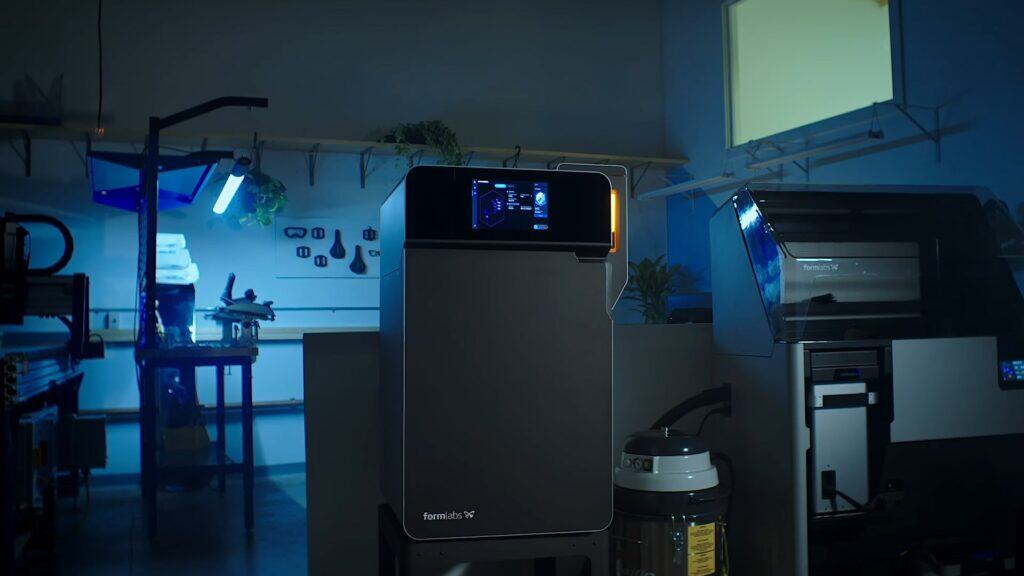
Selective Laser Sintering (SLS) is a 3D printing technology that fuses layers of powdered materials (polymers) into a solid object using a laser. SLS technology uses lasers to fuse polymer powder particles, creating functional parts with excellent mechanical properties. The key advantage? No support structures needed—parts are self-supporting within the powder bed, enabling complex geometries impossible with other technologies.
SLS printers are the most expensive type of polymer 3D printer, ranging in price from tens of thousands to hundreds of thousands of dollars. The polymer SLS printers are generally less expensive than metal printers (we will see the prices in the next section). Until recently, SLS was exclusively an industrial technology with systems costing $200,000+. However, desktop SLS systems have emerged, bringing the technology within reach of well-funded maker spaces and small businesses.
Desktop SLS Printers ($25,000–$50,000)
The cost of an SLS printer varies greatly depending on its size and capabilities, as well as its brand and model. Entry-level desktop models may cost $10,000 to $40,000. These compact systems deliver industrial-grade part quality at a fraction of traditional SLS costs.
What drives desktop SLS costs:
- Laser systems: CO2 or fibre lasers add significant cost
- Powder handling: Sealed chambers with inert atmosphere control
- Thermal management: Precise temperature control throughout the build volume (±2°C)
- Post-processing equipment: Separate powder recovery and part cleaning stations (often bundled)
From my conversations with users running these machines, the economics make sense only if you're producing functional end-use parts regularly. The powder handling, refresh cycles, and learning curve require commitment—this isn't a technology you can master over a weekend. Even though these are desktop printers, it doesn't mean that they're made for hobbyists. These are serious industrial machines but just come in a compact size.
Key operational consideration: Nylon powder costs approximately $60–$100 per kg, and systems typically have a 30–50% powder refresh rate, meaning you'll need to add fresh powder with each build.
Examples of entry-level SLS 3D printer prices (indicative) are as follows:
- Sinterit Lisa: Price $12,000
- Formlabs Fuse 1+ 30W: Price $28,000
Industrial SLS Printers ($75,000–$500,000+)
More advanced models with larger build sizes and additional features may cost $200,000 to $300,000 or more. Professional SLS systems offer larger build volumes (up to 750 mm), support advanced materials like glass-filled nylons and flexible TPUs, and provide production-grade reliability.
Price breakdown by capability:
- $75,000–$150,000: Mid-size industrial systems (300–400 mm build volume)
- $200,000–$350,000: Large-format production systems (500+ mm build volume)
- $350,000–$500,000+: Multi-laser systems with advanced automation
What justifies these prices? Industrial SLS systems incorporate precision galvanometer scanners, inert atmosphere chambers, and sophisticated thermal management. The build chambers maintain precise temperature control throughout multi-hour builds, ensuring consistent mechanical properties. These aren't just printers—they're complete manufacturing cells requiring installation, training, and ongoing support contracts (typically 8–12% of machine cost annually).
Examples of advanced SLS 3D printer prices (indicative) are as follows:
- TPM3D P260: Price: $97,000
- Farsoon 403P: Price $200,000
Metal 3D Printers
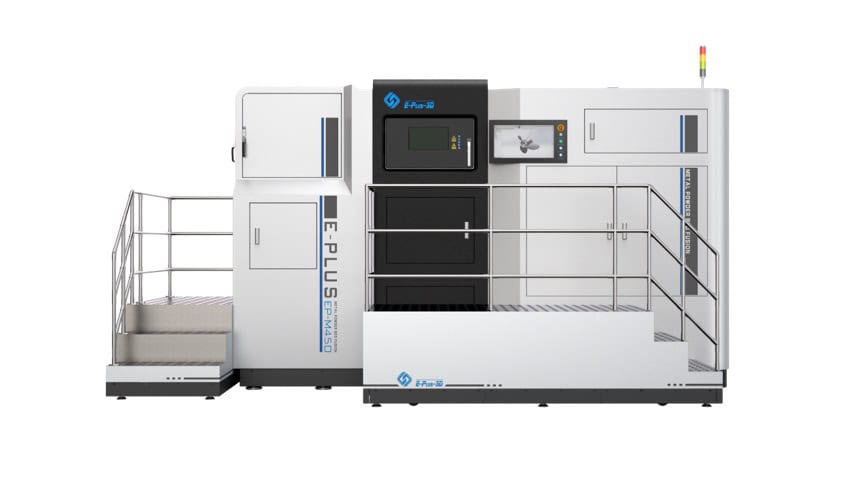
Metal 3D printers can print with metal materials such as steel, aluminium, and titanium. Metal additive manufacturing represents the high end of 3D printing, enabling production of aerospace components, medical implants, and tooling with material properties approaching wrought metals.
There are multiple metal 3D printing technologies, and these can be classified as Selective Laser Melting (SLM), Direct Metal Laser Sintering (DMLS), Directed Energy Deposition (DED), Electron Beam Melting (EBM), etc. The technology comes in several variants—powder bed fusion (using lasers or electron beams), binder jetting, and directed energy deposition. Each has distinct cost structures and applications. All the different technologies have their individual advantages and limitations, but for simplicity, we will be giving you an overall price range for this category.
These printers are more expensive than any other types of 3D printers, with prices ranging from tens of thousands to hundreds of thousands of dollars.
Entry-Level Metal Printers ($50,000–$150,000)
The cost of a metal 3D printer varies greatly depending on its size and capabilities, as well as its brand and model. Entry-level models may cost $50,000–$100,000. Desktop metal 3D printing systems using bound metal deposition or similar technologies have emerged as more accessible entry points.
Technology considerations:
- Bound metal deposition: Uses metal-filled filament followed by separate debinding and sintering
- Binder jetting (desktop): Selectively deposits binder onto metal powder layers
- System requirements: Requires separate sintering furnace ($30,000–$80,000)
These systems use a two-step process that involves longer processing times (24–48 hours from print to finished part). Whilst more accessible than laser systems, they require furnace equipment and careful process control.
Examples of entry-level metal 3D printer prices (indicative) are as follows:
- One Click Metal MPrint: Price $55,000
- Xact Metal XM200G: Price $90,000
Industrial Metal Printers ($250,000–$2,000,000+)
More advanced models with larger build sizes and additional features may cost $200,000–$300,000 or more. Professional laser powder bed fusion systems for production applications dominate aerospace, medical, and tooling markets.
Price structure:
- $250,000–$500,000: Single-laser systems with 250 mm build volume
- $500,000–$1,000,000: Multi-laser or larger build volume systems
- $1,000,000–$2,000,000+: Production-grade multi-laser systems with advanced automation
Cost factors: These prices reflect extraordinary engineering—multi-laser systems, inert gas handling (argon or nitrogen), real-time monitoring, and powder handling automation. You're not just buying a printer; you're investing in complete metal production capabilities including powder storage, sieving, and recycling infrastructure.
Operating costs add up quickly:
- Metal powder: $150–$500 per kg depending on alloy (titanium, aluminium, stainless steel, Inconel)
- Inert gas consumption: $2,000–$5,000 monthly for argon
- Maintenance: Filter replacements, laser servicing, calibration
- Energy costs: Systems consume 15–40 kW during operation
Metal 3D printing is economically viable only for high-value applications where traditional manufacturing is impossible or where the part value justifies the cost.
Examples of advanced metal 3D printer prices (indicative) are as follows:
- EOS M 100: Price: $350,000
- Eplus3D EP-M450: Price $750,000
Multi Jet Fusion (MJF) 3D Printers
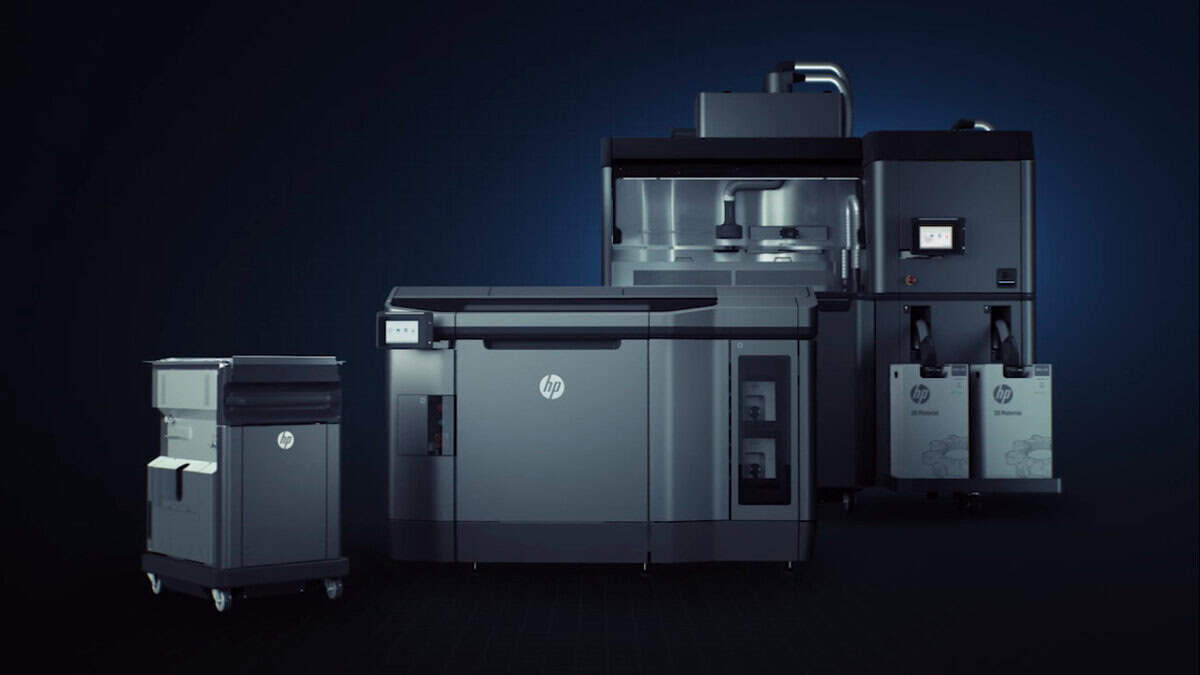
HP's Multi Jet Fusion technology deserves special mention as an increasingly popular choice for functional prototyping and small-batch production. MJF uses inkjet arrays to selectively apply fusing agents onto nylon powder, then fuses entire layers simultaneously with infrared heating—significantly faster than SLS.
Production MJF Systems ($80,000–$400,000)
HP's MJF systems are positioned as production solutions rather than prototyping tools.
System tiers:
- Entry-level production (HP Jet Fusion 300/500 series): Estimated $100,000–$150,000
- Smaller build volumes suitable for design studios and engineering teams
- Note: These systems are relatively new to the market; exact pricing varies significantly by region and configuration
- Full production systems (HP Jet Fusion 4200/5200 series): $250,000–$400,000+
- Large build volumes for high-throughput production
- Advanced automation and material handling
- 24/7 production capability
What makes MJF compelling? The technology excels at production speed and part consistency. Unlike SLS, where thermal gradients can affect properties, MJF's uniform infrared heating delivers predictable mechanical characteristics across the build volume. I've seen service bureaus running these machines continuously, producing everything from automotive ducting to consumer product housings.
Cost considerations:
- Closed material system: HP's proprietary powder supply chain
- High powder reusability: Up to 80% refresh rate reduces material waste
- Agent costs: Fusing and detailing agents add to operating expenses
- Fast production speeds: Can offset higher material costs for volume production
Important note: MJF pricing varies significantly based on configuration, material bundles, automation options, and service contracts. These figures represent general market ranges rather than specific quotes.
Making Your Decision: Beyond the Price Tag
Ultimately, your choice depends on whether you value surface detail, material variety, or production speed. The cheapest printer is rarely the most economical choice when you factor in reliability, material costs, and your time.
Decision Framework
If you're just getting started:
- FDM is your best entry point—affordable and reliable for learning fundamentals
- Budget $200–$500 for the printer
- Allocate $100–$200 for initial materials and tools
- Expect a learning curve; factor in time for calibration and experimentation
For applications demanding fine detail and smooth surfaces:
- Resin printing delivers unmatched quality
- Budget $250–$600 for entry-level systems
- Remember post-processing requirements (washing, curing, ventilation)
- Ongoing resin costs are higher than filament
When functional mechanical properties matter:
- Consider SLS or MJF for strength and design freedom
- Desktop SLS starts at $25,000—justify with production volume
- Industrial systems ($75,000+) require business case analysis
For metal applications:
- Entry barrier is high ($120,000+)
- Bound metal deposition offers lower entry cost but longer process times
- Laser powder bed fusion ($250,000+) justified only for high-value applications
At Manufactur3D, we recommend identifying your primary application first, then working backwards to the appropriate technology—rather than letting budget alone drive the decision. Consider visiting maker spaces or service bureaus to test different technologies before investing. Many distributors offer demonstrations or trial periods.
Remember: the best 3D printer is the one that matches your workflow, skill level, and production requirements—not necessarily the one with the most impressive specifications or lowest price.
Conclusion
This article provides you with popular examples of 3D printer prices for the various 3D printing technologies. This will undoubtedly assist you in narrowing down the type of technology you wish to purchase.
It is important to note, however, that the cost of a 3D printer is not the only factor to consider when making a purchase. Other considerations should include the cost of materials, maintenance, and repair. Before making a purchase, do some research and read reviews to ensure that you are getting a quality product that meets your needs.
Key takeaway: 3D printer pricing in 2025 spans from $200 for entry-level FDM systems to over $2 million for industrial metal platforms. Your investment should reflect your application requirements, production volume, and long-term reliability needs rather than upfront cost alone. Always verify current pricing with manufacturers or authorised distributors, as costs vary by region, configuration, and included services.
If you still have confusion on how to choose the right 3D printer for your college, 3D printing lab, your service bureau, for your organisation or even for your kid, do contact us from our contact us page and we will help you out with a free consultation.
Frequently Asked Questions
What is the cheapest 3D printer worth buying in 2025?
Entry-level FDM printers in the $200–$300 range from established brands like Creality, Anycubic, and Elegoo offer excellent value for beginners. They require some calibration effort but deliver reliable prints for learning and hobby projects. Avoid printers below $150—quality and reliability suffer significantly at that price point.
Are resin printers more expensive to operate than FDM?
Yes, resin printing involves higher ongoing costs. Liquid resin costs $30–$80 per litre compared to $15–$30 per kg for standard filament. You'll also need isopropyl alcohol for washing ($20–$40/gallon), replacement FEP films ($15–$40), and proper ventilation equipment. Factor in 50–100% higher operating costs compared to FDM.
How much should a small business budget for a production 3D printer?
For reliable production work, budget $2,000–$5,000 for professional FDM systems, $3,000–$10,000 for SLA, or $25,000–$50,000 for desktop SLS. Factor in materials, maintenance, and training costs—typically 20–30% of the printer cost annually. Calculate your break-even point based on parts produced versus outsourcing to service bureaus.
Do industrial 3D printers require special installation?
Yes, systems above $20,000 typically require professional installation, dedicated power supplies (often 208V or 240V three-phase), environmental controls (temperature and humidity), and operator training. Budget an additional 10–15% of machine cost for setup and commissioning. Some systems require specialised infrastructure like inert gas supplies or powder handling rooms.
How do I know if I should buy a 3D printer or use a service bureau?
Run the numbers: if you're producing fewer than 10–20 parts monthly, outsourcing to service bureaus is usually more economical. Consider buying when you have consistent production volume, need rapid iteration cycles, or require material/process confidentiality. The break-even point typically occurs at 50+ parts monthly for FDM, 30+ for resin, and 100+ for SLS/MJF.
What's the real difference between a $300 and $1,500 FDM printer?
Beyond build volume, you're paying for reliability, consistency, and support. Higher-end systems feature better motion components (linear rails vs. wheels), more reliable extruders, heated chambers for engineering materials, and better quality control. From my experience, a $300 printer needs constant attention; a $1,500 printer "just works." For hobby use, budget options suffice. For production, the premium tier pays for itself through reduced downtime and failed prints.


