



Philips has introduced a sustainability-focused initiative called Philips Fixables that provides free 3D printing files for consumer spare parts, enabling customers to produce replacement components for their electronic devices at home. The program, developed in partnership with Czech 3D printer manufacturer Prusa Research, currently offers downloadable files for trimmer accessories and represents the company's effort to reduce electronic waste while extending product lifecycles.
The 3D printed spare parts initiative is currently being piloted in the Czech Republic, with plans for expansion to other countries. Files are available through the Printables platform and can be accessed globally, allowing users to print replacement parts using compatible 3D printing equipment and materials.
Philips Spare Parts Program Addresses Sustainability Goals
The initiative specifically targets small components that often lead to device replacement when lost or damaged. Currently, Philips spare parts available through the program include length guides for trimmers—the comb-like attachments that control cutting length and prevent over-trimming.
According to Philips, the program aims to help consumers retain their products longer and reduce electronic waste that would otherwise end up in landfills. By providing professionally designed 3D printing files, the company eliminates the technical challenges consumers would face in creating replacement parts independently, such as 3D scanning, model creation, and parameter optimization.
The partnership with Prusa Research brings together Philips' product expertise with specialized 3D printing knowledge, ensuring that the downloadable files include proper specifications and printing parameters. This collaboration addresses the complexity typically involved in producing functional replacement parts through consumer 3D printing.
Expanding Access to Consumer Spare Parts
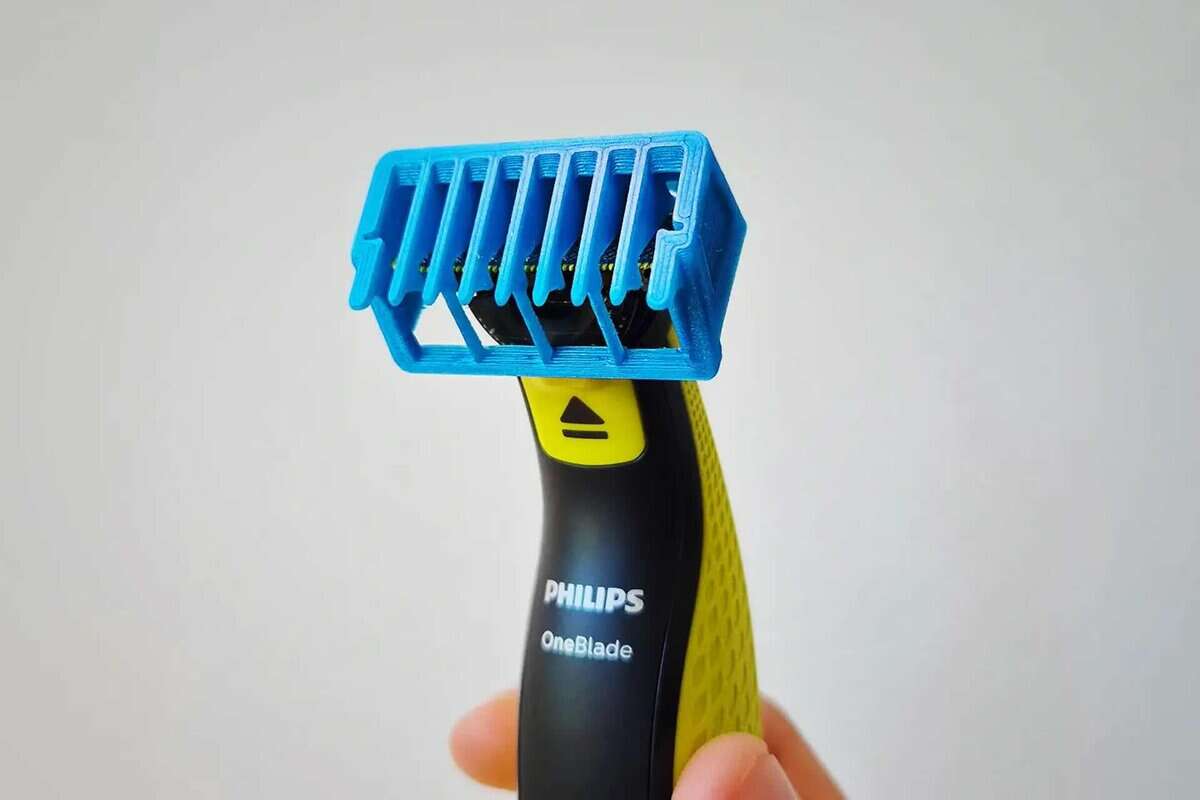
The availability of 3D printed spare parts through digital download represents a shift from traditional replacement part distribution methods. Rather than maintaining physical inventory and shipping individual components, manufacturers can provide digital files that consumers can produce on-demand using local 3D printing capabilities.
This approach has particular relevance as access to 3D printing technology continues to expand globally. The growing availability of consumer 3D printers and commercial 3D printing services makes the production of consumer spare parts more accessible to a broader audience.
For small components like trimmer accessories, 3D printing offers advantages in terms of production speed and customization possibilities. Users can produce replacement parts when needed without waiting for shipping or dealing with minimum order quantities that might apply to traditional spare part ordering.
Technical Implementation and User Experience
The Philips spare parts files are designed to work with standard 3D printing equipment and materials commonly used by consumer 3D printer operators. By providing pre-configured printing parameters and optimized model files, the program reduces the technical expertise required to produce functional replacement components.
The downloadable files include specifications for material selection, printing density, and support structures where necessary. This level of detail ensures that users can achieve reliable results without extensive experimentation or specialized knowledge of 3D printing optimization.
Currently focused on trimmer accessories, the program may expand to include additional product categories and component types based on user feedback and demand. The pilot phase allows Philips to evaluate the program's effectiveness and gather data on usage patterns before broader implementation.
Industry Implications for 3D Printed Spare Parts
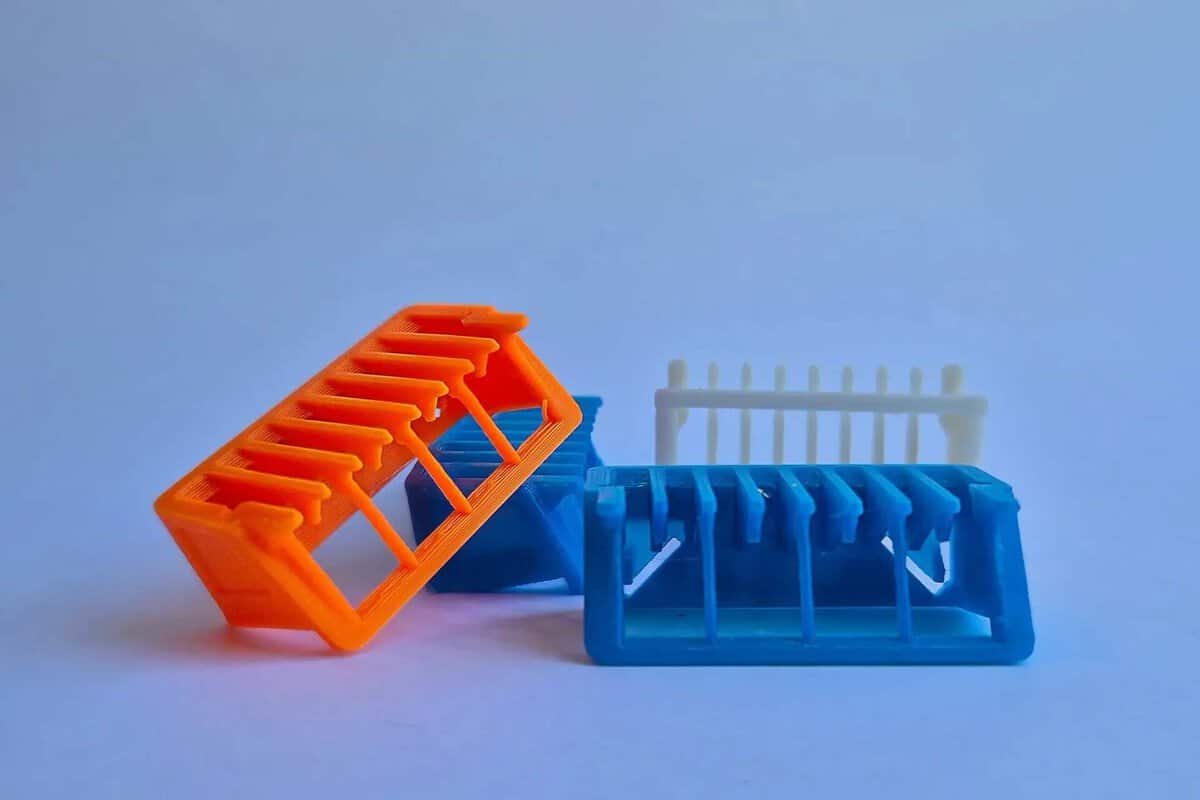
Philips' initiative reflects growing industry interest in digital manufacturing solutions that can extend product lifecycles and reduce waste. The approach demonstrates how established consumer electronics manufacturers can integrate 3D printing technology into their customer support and sustainability strategies.
The program also highlights the potential for 3D printed spare parts to address common issues that lead to premature device replacement. Small components that are easily lost or damaged often render otherwise functional devices unusable, creating waste and requiring unnecessary purchases.
As 3D printing technology becomes more accessible and affordable, similar programs from other manufacturers could become increasingly common. The success of Philips' pilot may influence broader adoption of 3D printed spare parts across the consumer electronics industry.
The initiative represents a practical application of distributed manufacturing concepts, where production occurs close to the point of use rather than in centralized facilities. This model has particular advantages for low-volume, high-variability products like replacement parts.


