



Custom 3D printed figures played a significant role in Netflix's Stranger Things Season 5 production, as revealed by Emmy-winning make-up artist Eryn Krueger Mekash through a recent Instagram post. The advanced fabrication techniques created realistic stand-ins for young actors during one of the show's most visually complex sequences, demonstrating how additive manufacturing continues integrating into mainstream film production workflows.
Stranger Things Season 5, released on 26th November 2025, marked the final chapter of the globally popular series. For a key scene involving the "Pain Tree", the production team employed 3D printing technology to create custom-painted upper body replicas of the child actors, ensuring continuity, safety, and visual precision throughout filming.
Production Team Creates Custom 3D Printed Figures
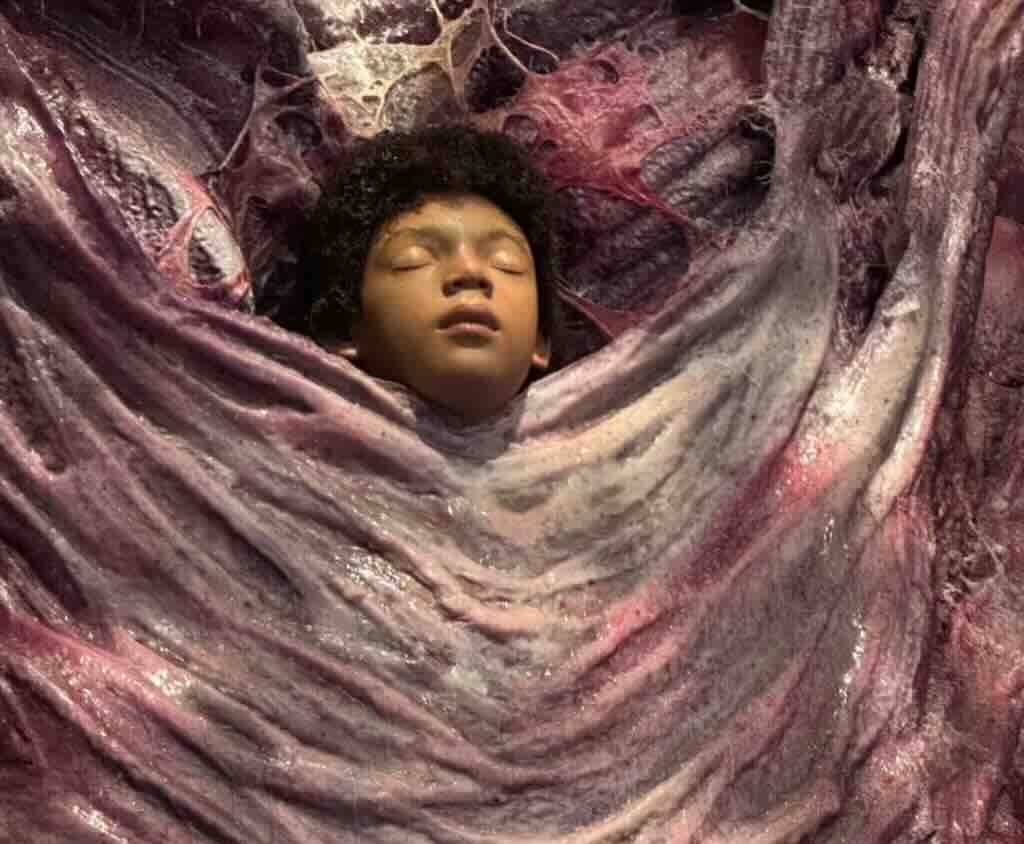
Eryn Krueger Mekash, serving as Makeup Department Head for the final season, explained that the solution emerged from collaborative meetings between departments determining how realistic stand-ins for the children would be created. Vincent Van Dyke, a recognised special make-up effects artist, was brought aboard through his studio VVDFX to execute the project.
Van Dyke and his team created custom 3D printed figures representing the upper bodies of all 12 child actors involved in the sequence. The process involved scanning the actors and working from skin tone samples and continuity images provided by the production team. The printed figures were then carefully custom-painted to match the performers' complexions and on-screen appearance.
Additional detailing elevated the realism further. Custom lace brows were designed and crafted by Sasha Camacho, a special effects wig maker and hair technician. Wigs were produced by the show's hair department, led by Sarah Hindsgaul, who has overseen hair design across all five seasons of Stranger Things. The coordination across make-up, hair, and special effects ensured that the stand-ins aligned seamlessly with the visual language of the series.
Growing Adoption of 3D Printing Across Entertainment Industry
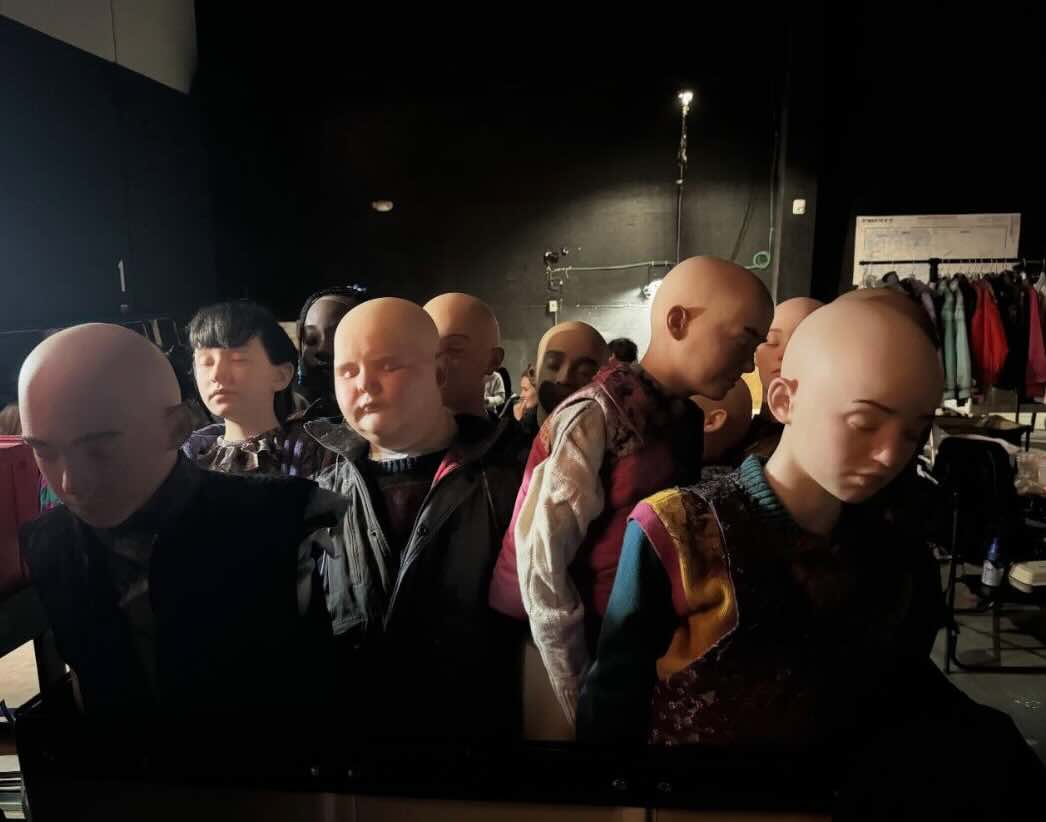
The use of custom 3D printed figures allowed the production to maintain high levels of continuity whilst reducing the need for extended on-set involvement from child actors in technically demanding scenes. This approach demonstrates how additive manufacturing addresses both practical production challenges and regulatory considerations regarding child performer working hours.
The Stranger Things project reflects a broader movement within entertainment and digital culture. Beyond film production, recent trends have shown increasing interest in personalised figurines and replicas created through 3D scanning and printing. One example includes the "Nano Banana" AI trend, where users generate stylised 3D figurine versions of themselves from photographs, with many exploring physical production through 3D printing services.
Major franchises now officially release 3D printable models of props and characters, allowing fans to create detailed replicas at home. This shift indicates growing acceptance of decentralised production methods powered by accessible 3D printing technologies.
In professional contexts, the Stranger Things project highlights a different dimension: the use of highly accurate, production-grade custom 3D printed figures for practical filmmaking solutions. Rather than novelty collectibles, these figures function as technical assets supporting storytelling and visual effects. As streaming platforms invest in increasingly complex productions, the integration of digital scanning, additive manufacturing, and traditional artistry appears set to expand further across the entertainment industry.


