



Meltio DED 3D printing technology is being deployed by Eurobearings, an Italian manufacturer specialising in white metal bearing systems, to overhaul how large-scale industrial components are produced and repaired. The integration of the Meltio Engine Robot system at Eurobearings’ facility in Cortemaggiore, Italy, targets lead time reductions of 30% to 50% for complex components while cutting material waste significantly.
Eurobearings has spent nearly three decades designing and manufacturing critical bearing systems, including sliding, thrust, and combined bearings, for global original equipment manufacturers across energy, marine, defence, and heavy industry. The company’s traditional manufacturing process relied on casting or machining parts from solid metal blocks, a subtractive approach that generated material waste of up to 80%.
Meltio DED 3D Printing Removes Size Constraints
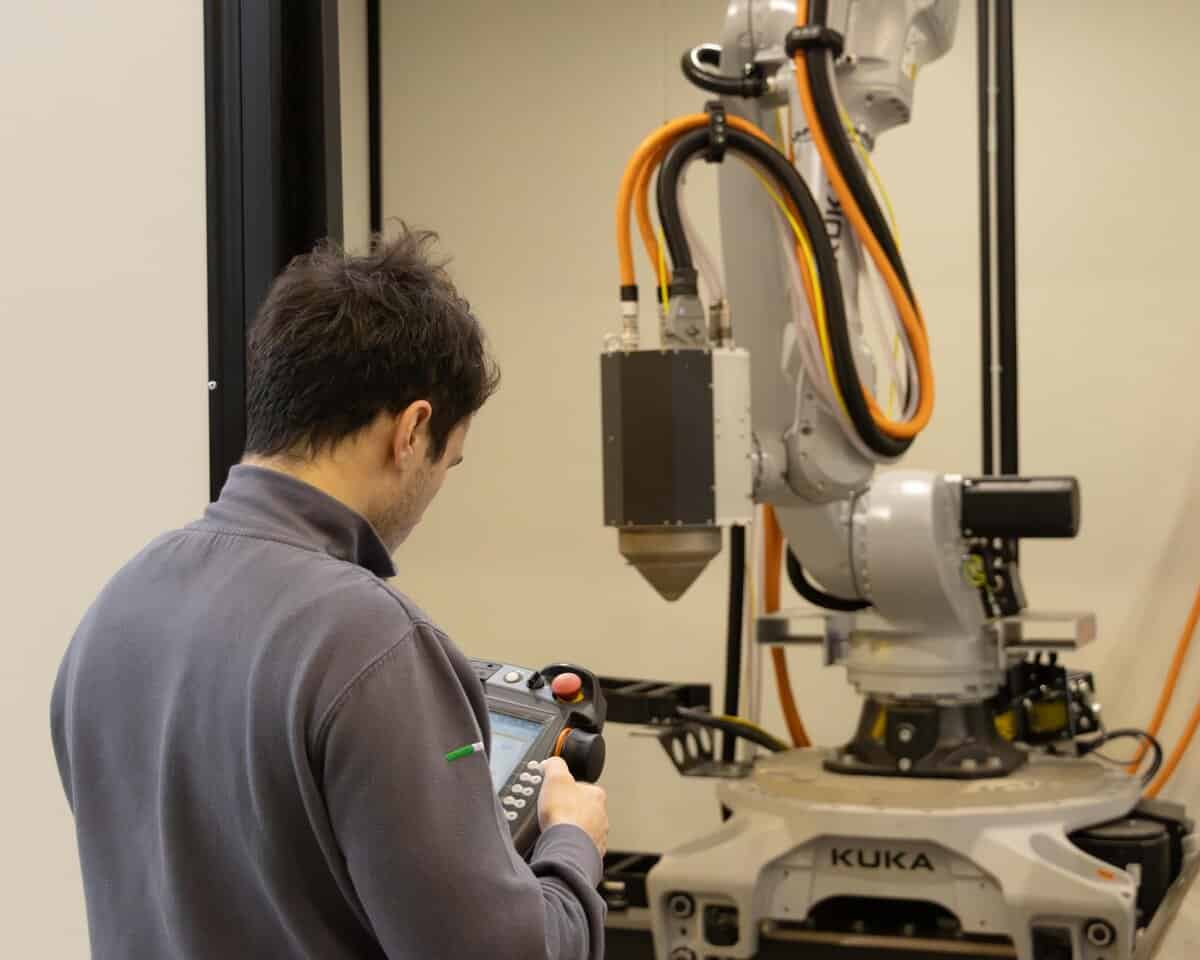
To address these production bottlenecks, Eurobearings integrated the Meltio Engine Robot Integration, a wire-laser metal 3D printing system that uses Directed Energy Deposition (DED) to deposit white metal, commonly known as babbitt, and other alloys layer by layer. The engineering team built a high-capacity robotic cell centred around a KUKA industrial robot mounted on a mobile gantry. This configuration expands the working envelope beyond conventional 3D printing volume limits, allowing the deposition head to be repositioned for a wide range of part sizes and geometries.
The setup effectively removes traditional size constraints for oversized industrial components, a critical capability for a company whose core products are defined by their scale.
According to the company, the shift has moved production beyond the lead time and material waste constraints that conventional methods imposed, enabling faster and more efficient manufacturing and repair of large-scale components.
DED vs Traditional Manufacturing Gains
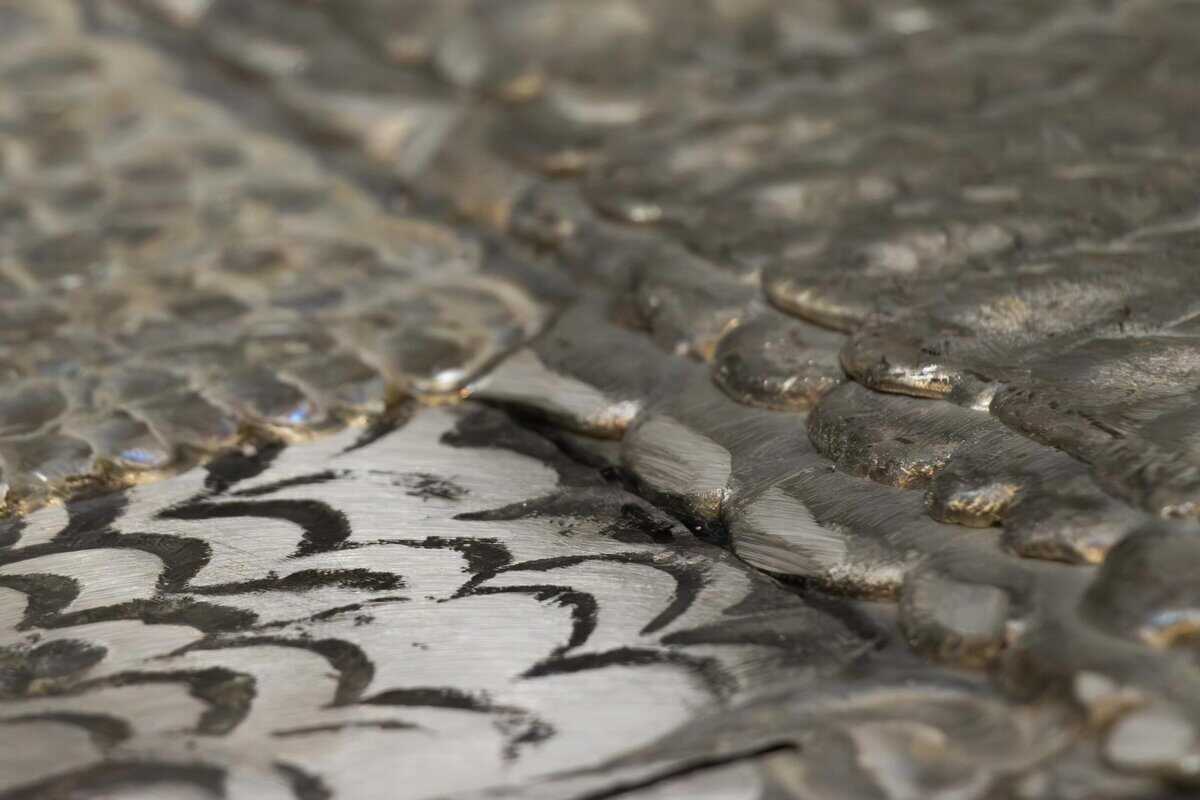
The shift from subtractive methods to Meltio DED 3D printing delivers measurable improvements across three production areas. First, by printing directly to part and reducing subsequent machining stages, Eurobearings reports a 30% to 50% reduction in lead times for complex components. Second, the process uses standard welding wire as feedstock, enabling near-net shape printing that cuts raw material consumption compared to the up to 80% waste generated by traditional casting. Third, the system enables precision component rehabilitation, so rather than scrapping worn units, the engineering team deposits material directly onto existing parts, extending their operational lifecycle.
This repair capability is particularly relevant for the defence, marine, and energy sectors, where replacement costs for high-value rotating equipment are substantial. The ability to rehabilitate rather than replace transforms the cost structure of industrial maintenance.
Applications Across Heavy Industry
Eurobearings is applying this large-scale additive manufacturing capability across several sectors. In energy and oil and gas, the company produces turbine components to rigorous quality standards. For marine and defence applications, it delivers customised engineering solutions for high-performance rotating machinery. In cement and rolling mills, Eurobearings manufactures and restores bearing shoes designed to withstand extreme loads.
Sustainability Through Repair and Waste Reduction
The environmental case for industrial component repair with 3D printing is direct. By using welding wire, which functions as a clean and efficient metal feedstock, and enabling component repair rather than full replacements, Eurobearings reduces both raw material consumption and the environmental footprint of heavy industrial maintenance. The robotic cell delivers a stable, industrial-grade process, with each deposited layer meeting strict quality standards.
As heavy industry faces sustained pressure on lead times, material costs, and sustainability targets, the Eurobearings deployment illustrates how Meltio DED 3D printing can reshape the economics of large-scale component manufacturing and repair.
About Eurobearings: Eurobearings specialises in the design, manufacture, and repair of white metal sliding, thrust, and combined bearings from its facility in Cortemaggiore, Italy. The company serves global clients across the power generation, oil and gas, and naval markets.
About Meltio: Meltio is a metal additive manufacturing company that develops high-performance, affordable, and easy-to-use metal 3D printing solutions based on wire-laser metal deposition technology. The company manufactures metal 3D printing systems designed to be reliable, safe, and accessible for a wide range of industrial applications.


