



Pop Mart sues Bambu Lab over 3D-printed copies of its viral Labubu toy. Pop Mart International Group, the Chinese toymaker behind the collectible Labubu character, has filed a copyright infringement lawsuit accusing the 3D-printer maker's MakerWorld platform of hosting user-uploaded design files that allowed fans to print replicas at home. The copyright infringement lawsuit, first disclosed by Chinese corporate database Qichacha, has been filed at the People’s Court of Pudong New Area in Shanghai and is scheduled to be heard on 2 April 2026.
The case is widely regarded as the largest copyright enforcement action brought by a major intellectual property holder against a 3D printing manufacturer to date. It raises a question that has never been clearly tested in the industry: when users upload copyrighted content to a platform, where does the platform’s legal responsibility begin?
Why Did Pop Mart Sue Bambu Lab?
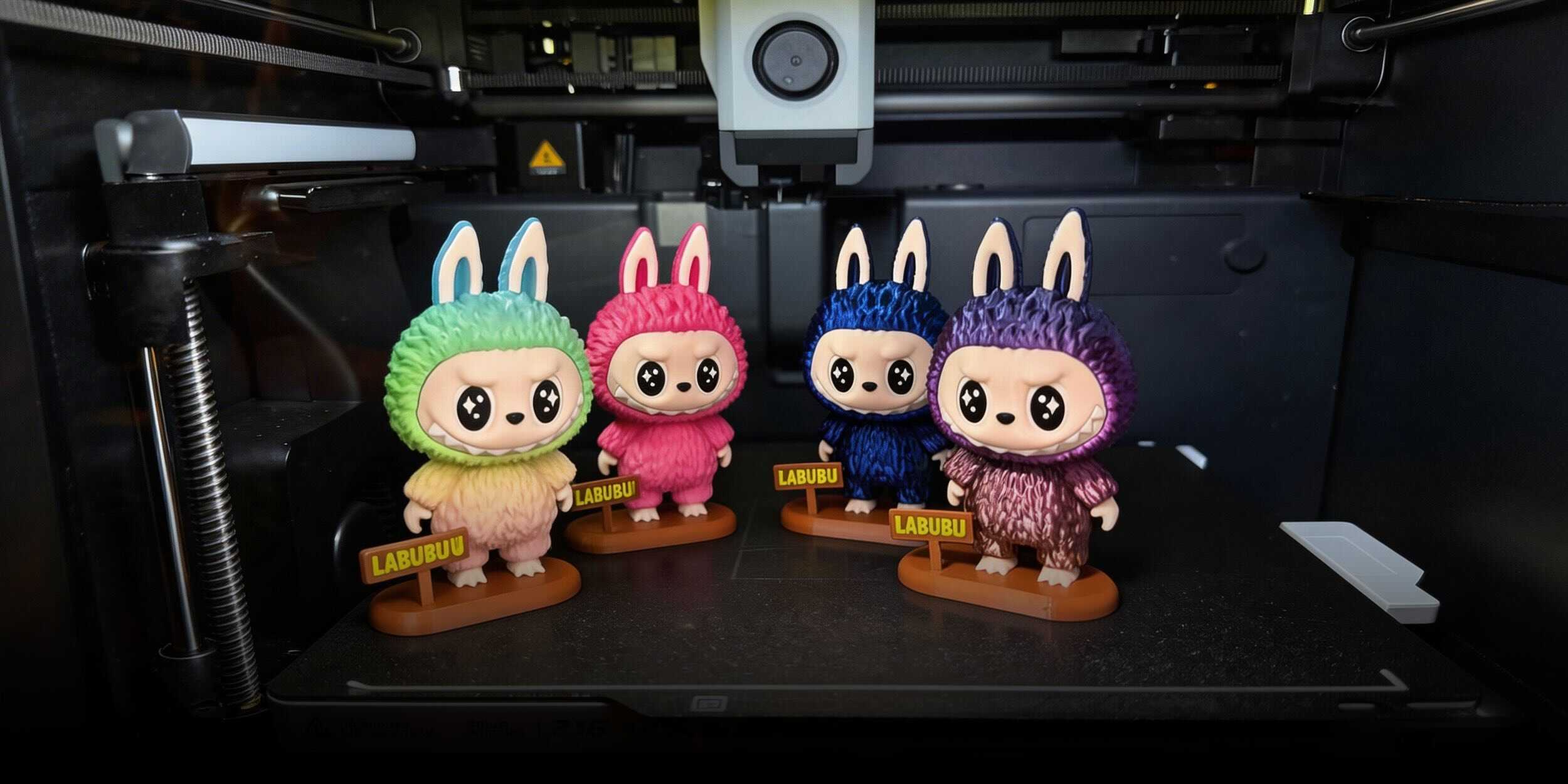
At the centre of the dispute is MakerWorld, the model-sharing community operated by Bambu Lab. Launched in 2023, MakerWorld has grown to nearly 10 million monthly active users and hosts more than one million 3D-printable models across categories ranging from home goods to figurines. Users had uploaded thousands of Labubu 3D printing files to the platform, with a single model reportedly accumulating more than 57,000 downloads. Printing a standard-size Labubu at home costs approximately 3 yuan (US $0.40) in materials, a fraction of the retail and secondary-market prices for the official product.
Labubu, designed by artist Kasing Lung and sold through Pop Mart’s signature blind-box format, surged to global fame in 2025. The character accounted for more than 30% of Pop Mart’s total sales revenue that year, with unit sales exceeding 100 million. China’s customs authorities seized 1.83 million counterfeit Labubu products in 2025 alone, underscoring the commercial stakes the toymaker is defending.
Platform Liability in the Spotlight
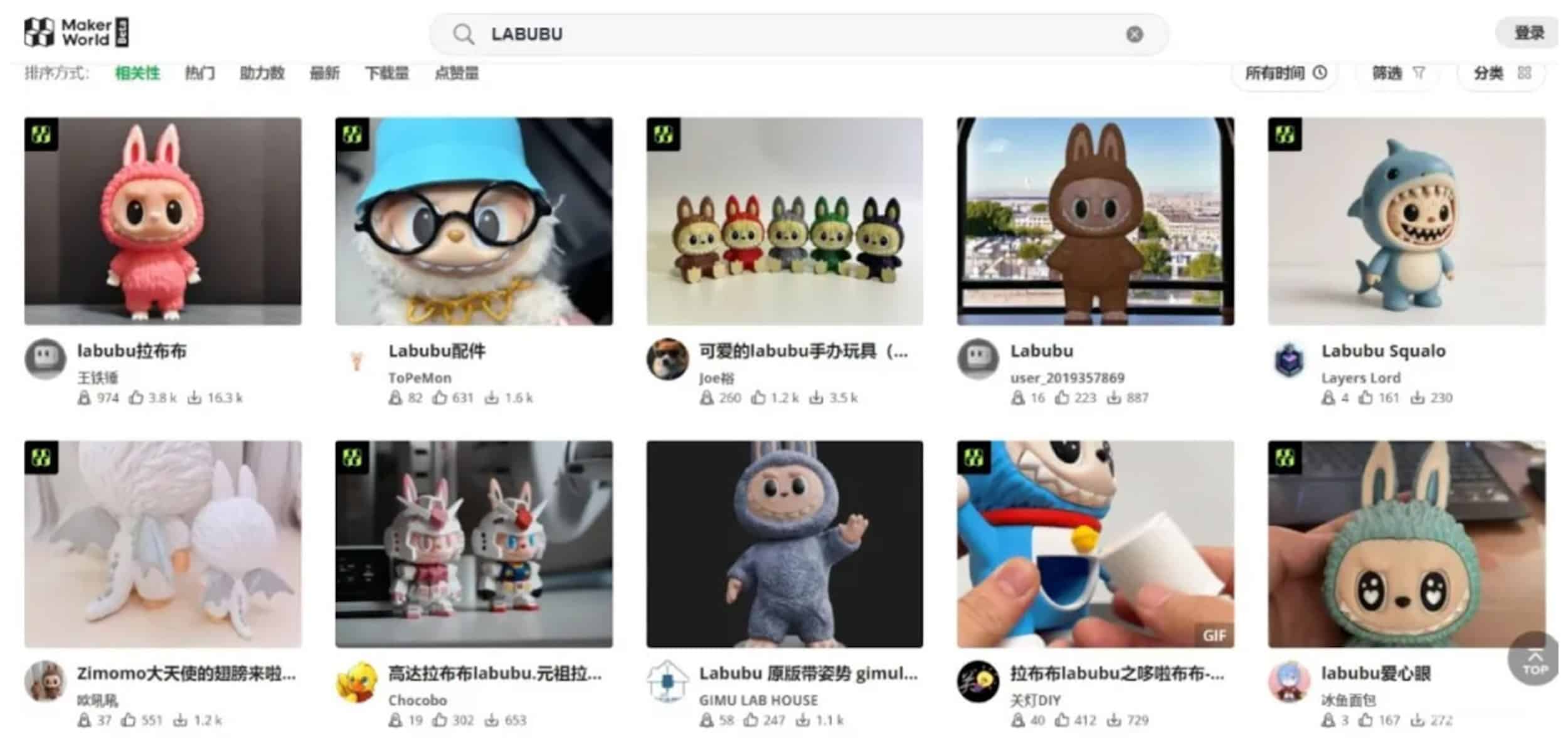
Legal specialists say the Pop Mart vs Bambu Lab case may hinge on the ‘safe harbour’ doctrine, which generally shields platforms from liability if they act promptly to remove infringing content after becoming aware of violations. A central question will be whether MakerWorld knew, or reasonably should have known, about the alleged infringement and failed to act.
According to Yang Weixin, a lawyer at He & Partners Law Firm, the platform could be held responsible if evidence shows it enabled the circulation of infringing material while drawing commercial benefit from the traffic those files generated. Yang noted that liability may extend even to models that are not direct replicas, provided they reproduce recognisable character traits and the creators earn revenue from them.
The fact that Bambu Lab removed the Labubu models only after the lawsuit was filed, rather than proactively, may weaken a safe harbour defence. Following the legal action, the company purged all Pop Mart-related files from MakerWorld, though the automated takedown inadvertently delisted dozens of unrelated models, including locksmithing tools, cable clips, and paint brush holders. Bambu Lab acknowledged the removals were caused by an operational error and said most affected models had been restored.
Precedent for 3D Printing Copyright
The 3D printing copyright lawsuit echoes earlier intellectual property clashes in the industry. Disney has previously requested the removal of Star Wars models from Thingiverse, and Honda demanded branded models be taken down from Prusa’s Printables file library. However, those disputes targeted individual models. The Pop Mart case is notable because it names a platform operator as a defendant, potentially setting a precedent for how file-sharing communities are governed across the consumer 3D printing sector.
There is an ironic dimension to Bambu Lab’s position. In October 2025, MakerWorld itself launched legal action against rival platforms Creality Cloud, Nexprint, and MakerOnline, accusing them of hosting unauthorised reuploads of models originally published as exclusive content on MakerWorld. The company also introduced a Creator Copyright Protection Service designed to help its designers report infringement on competing sites.
What Comes Next for Bambu
This is not Bambu Lab’s first brush with copyright litigation. The company is also defending against a patent infringement lawsuit filed by Stratasys in the United States. Separately, in 2025, the studio behind the Chinese animated film The Legend of Luo Xiaohei sued the company for allegedly infringing information network dissemination rights; the next hearing in that case is scheduled for 20 March 2026.
Neither Pop Mart nor Bambu Lab has publicly commented on the Labubu lawsuit. While the knockoff models have been removed from MakerWorld, Labubu-related files remain available on Western 3D printing repositories such as Printables, Thangs, and Thingiverse. The outcome of the Pop Mart sues Bambu Lab case, set for hearing on 2 April, could reshape how every major 3D printing platform manages copyrighted content and determine whether platform operators face the same legal exposure as the users who upload infringing files.


