



Transparent 3D printing is moving towards commercial viability as HeyGears has presented an integrated production workflow at RAPID + TCT 2026 in Boston. The company has introduced its one-stop production solution focused on delivering commercial-grade transparent parts through a coordinated system of hardware, materials, and post-processing.
The announcement centres on a solution designed to address long-standing challenges in clarity, yellowing, and repeatability. By combining an end-to-end 3D printing workflow with specialised materials and finishing processes, HeyGears has positioned transparent parts as increasingly viable for end-use applications rather than limited to prototyping.
What Is Transparent 3D Printing?
Transparent 3D printing uses specialised resins and post-processing techniques to produce clear parts with high light transmission and surface quality. It typically relies on resin-based 3D printing processes, followed by finishing steps such as polishing or coating to improve optical clarity.
In industrial contexts, achieving consistent transparency has been difficult due to material limitations and variability across workflows. HeyGears’ approach focuses on closed-loop additive manufacturing, where materials, hardware, and post-processing are optimised together rather than independently.
Integrated Workflow and Production
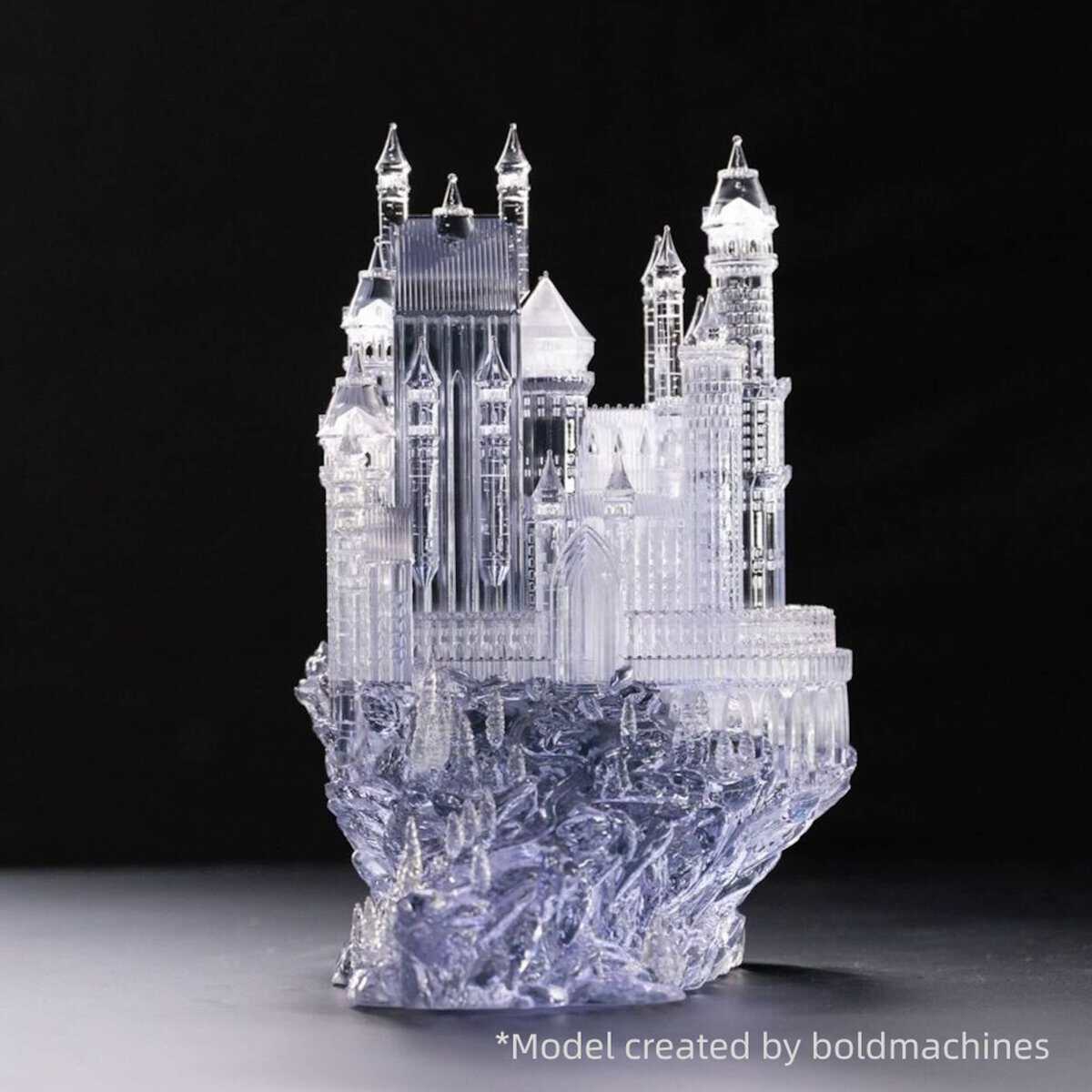
At the centre of the company’s solution is a standardised workflow that spans design, pre-processing, printing, and post-processing. This end-to-end 3D printing workflow is supported by interconnected equipment, including the Reflex 2, Reflex 2 Pro, and the larger-format Reflex Max systems.
These machines are paired with Wash Max and Cure Max units, forming a complete production chain from 3D printing to washing, curing, and gloss enhancement. The emphasis is on coordination between each stage, enabling repeatable and scalable 3D printing solutions for transparent components.
The system demonstrates how transparent 3D printing can transition into production-ready 3D printing environments, where consistency and throughput are critical. Rather than focusing on individual machine performance, the solution highlights system-level optimisation.
Materials, Post-Processing, and Applications
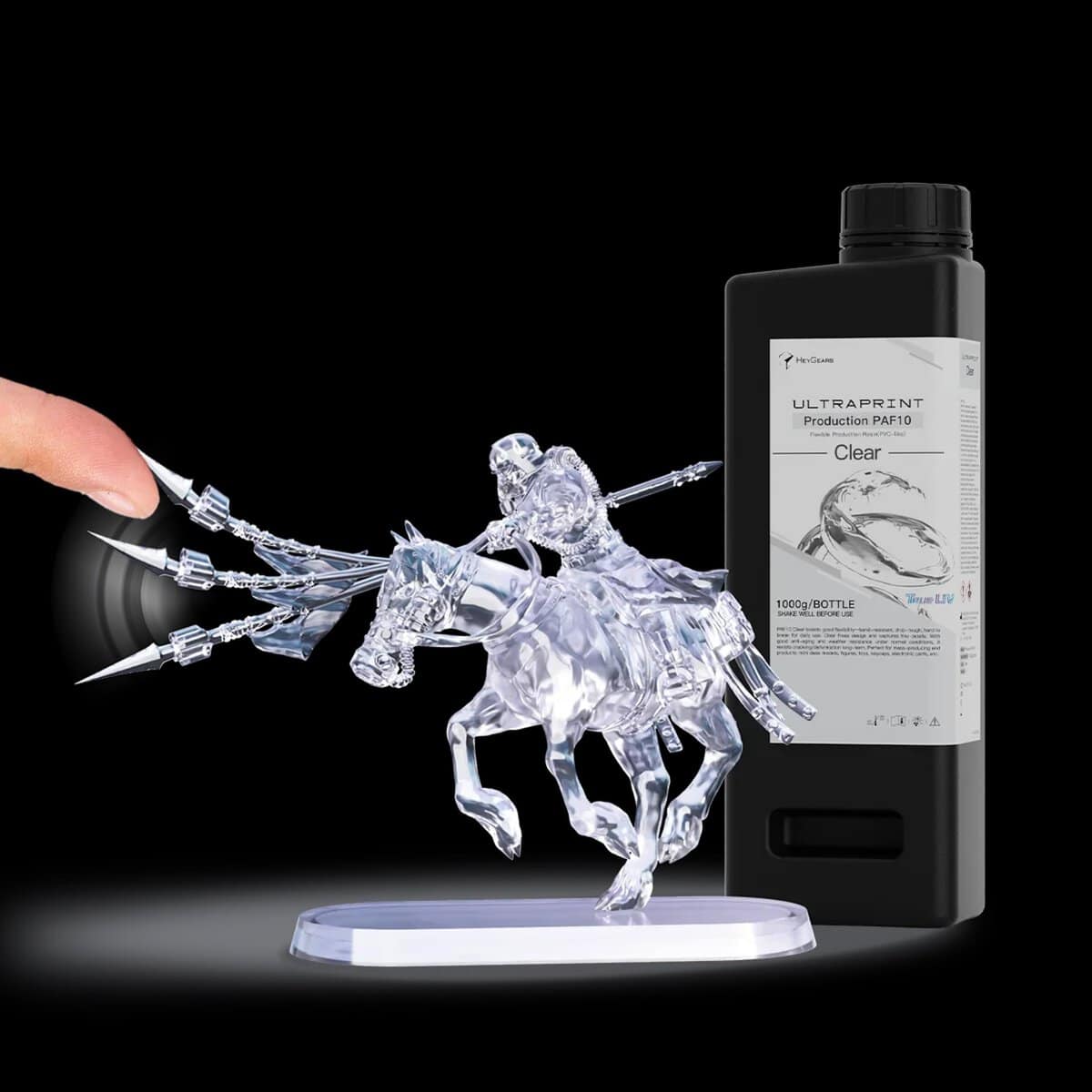
A key component of the workflow is the use of high-transparency 3D printed materials. The PAT10 High-Transparent Resin delivers up to 88.5% light transmittance with acrylic-like clarity and resistance to ageing, making it suitable for applications such as consumer electronics components and decorative parts.
The PAF10 Clear Resin, offering approximately 82% transparency, introduces flexible durability for use in model making and industrial prototyping. Together, these materials expand the range of commercial-grade transparent parts that can be produced using additive manufacturing.
Post-processing remains critical. The UltraGlaze ClearG115 Gloss Glaze is used to enhance transparency, improve surface finish, and provide UV ageing resistance. This highlights the importance of 3D printing post-processing techniques in achieving optical-quality results.
Transparent 3D printing has traditionally been limited by inconsistent results and material degradation over time. The workflow presented at RAPID + TCT 2026 suggests that these constraints can be mitigated through tighter integration across the production chain.
By aligning materials, machines, and finishing processes, HeyGears has demonstrated how transparent resin 3D printing can support end-use additive manufacturing applications. These include consumer products, industrial components, and design-driven transparent models.
The company’s broader portfolio, which also includes elastomer and engineering materials, reflects a strategy focused on scalable additive manufacturing rather than isolated use cases. This aligns with wider industry trends towards production-ready 3D printing and standardised workflows.
Future of Transparent 3D Printing
The developments presented indicate a shift in how transparent 3D printing is positioned within additive manufacturing. Rather than a niche capability, it is increasingly being integrated into commercial production pipelines supported by closed-loop systems and advanced materials.
As manufacturers continue to explore end-use additive manufacturing, the ability to produce consistent, high-clarity components could expand applications across sectors such as electronics, healthcare, and design.
With its integrated approach, HeyGears’ showcase at RAPID + TCT 2026 underscores how transparent 3D printing is evolving from a technically challenging process into a more reliable and scalable manufacturing solution.


