



DyeMansion, a Munich-based provider of post-processing solutions for additive manufacturing, has announced the development of a 3D printing post-processing system designed to expand access to industrial-grade cleaning and surfacing. The compact Powershot system remains under development and is set to debut at Formnext 2026 as part of the company’s broader Print-to-Product workflow.
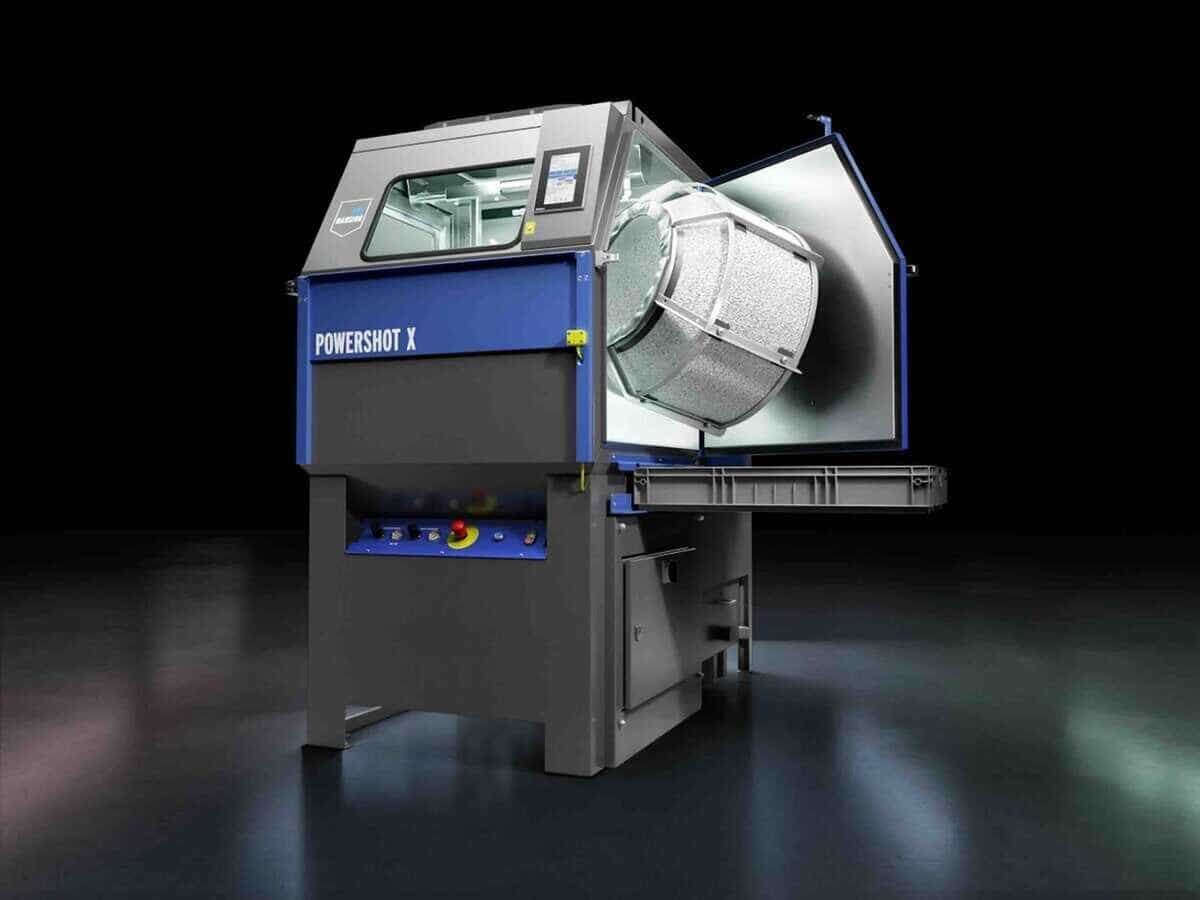
The announcement reflects a strategic move to address a gap between entry-level and high-volume post-processing solutions. While DyeMansion’s existing Powershot X and DUAL Performance systems, part of DyeMansion’s post-processing solutions portfolio, cater to large-scale production environments, the new 3D printing post-processing system is intended for users operating smaller-format additive manufacturing setups or lower automation requirements.
3D Printing Post-Processing System Capabilities
Traditionally, post-processing of 3D-printed polymer parts has relied on manual or semi-automated cleaning methods, which can introduce variability in surface finish and limit scalability in production environments. These approaches often require significant operator intervention and may not deliver consistent, production-grade results across batches.
The compact 3D printing post-processing system brings DyeMansion’s PolyShot Cleaning & Surfacing technology into a smaller, more accessible format. This technology is used to clean powder residues and refine surface finishes on polymer 3D-printed parts, a critical step in achieving production-grade quality.
According to the company, the system is being developed to integrate seamlessly with its VX1 vapour smoothing system, forming part of a connected post-processing chain. This compatibility allows users to maintain a consistent workflow across cleaning, surfacing, and finishing stages without requiring large-scale infrastructure investments.
The solution is particularly aimed at:
- Service bureaus handling low-to-medium production volumes
- OEMs operating smaller fleets of powder bed fusion printers
- Corporate innovation teams prototyping or producing limited series parts
By targeting this segment, DyeMansion is effectively extending industrial post-processing capabilities while helping manufacturers lower post-processing costs beyond traditional high-volume environments.
“Industrial-grade post-processing is no longer reserved for large-format, high-volume operations. With this new Powershot, we are making DyeMansion Print-to-Product workflow available to a whole new segment of the market — without compromising on the quality and reliability our customers have come to expect.”
— Felix Ewald, CEO & Co-Founder, DyeMansion
The company emphasises that the 3D printing post-processing system is being developed in alignment with user needs, particularly where space, cost, and throughput constraints previously limited adoption of advanced post-processing technologies.
Role in Additive Manufacturing Ecosystem
The introduction of the 3D printing post-processing system aligns with broader industry efforts to make additive manufacturing workflows more scalable and accessible. The announcement reflects a wider shift towards compact and modular production setups, enabling companies to deploy smaller, integrated manufacturing units rather than relying solely on large-scale facilities.
Marc Garcia, Product Manager at HP, noted that the system would complement compact printing solutions such as the HP Multi Jet Fusion 1200, highlighting increasing alignment between hardware and post-processing innovations.
This convergence between printing and post-processing technologies indicates a move towards decentralised production environments. By enabling consistent surface quality and cleaning performance, the system supports the transition of 3D-printed parts into end-use applications across industries such as automotive, consumer goods, and medical devices.
DyeMansion’s broader portfolio already spans the full post-processing chain, from cleaning to surface finishing and colouring. The addition of the compact system reinforces its strategy of offering modular solutions that can scale with user requirements.
The company reports more than 1,300 installed systems and over 500 customers worldwide, indicating a significant installed base that could benefit from more flexible post-processing options.
Outlook Ahead of Formnext 2026
DyeMansion plans to showcase the 3D printing post-processing system at Formnext 2026, where further technical specifications and performance details are expected to be revealed. The company is currently presenting its broader workflow solutions at RAPID + TCT 2026 in Boston, where the upcoming system is being discussed with industry stakeholders.
The development of the 3D printing post-processing system suggests a continued focus on lowering barriers to entry for industrial additive manufacturing. By addressing the needs of smaller production environments without compromising process quality, the system could enable wider adoption of standardised post-processing workflows.
As additive manufacturing continues to mature, the availability of scalable post-processing solutions will remain a critical factor in determining how effectively organisations can transition from prototyping to serial production. The 3D printing post-processing system is positioned as one such enabling development within this evolving landscape.


