



Osmania General Hospital (OGH), a government-run tertiary care hospital in Hyderabad, has launched a new facility offering 3D printed limbs free of cost to patients who have undergone amputations. The facility, inaugurated on Monday by hospital superintendent Dr Rakesh Sahay, has been added to OGH’s existing Foot Care Centre and is supported by the Rogi Sahayata Trust.
The initiative targets patients who lose limbs due to trauma or complications such as gangrenous diabetic ulcers. Each prosthetic costs approximately ₹25,000, but under this programme, all devices are supplied at no charge to economically disadvantaged patients. On the day of the inauguration, 10 patients with lower-limb amputations were fitted with the new prosthetics, including one patient who received artificial limbs for both legs.
Custom 3D Printed Limbs Process
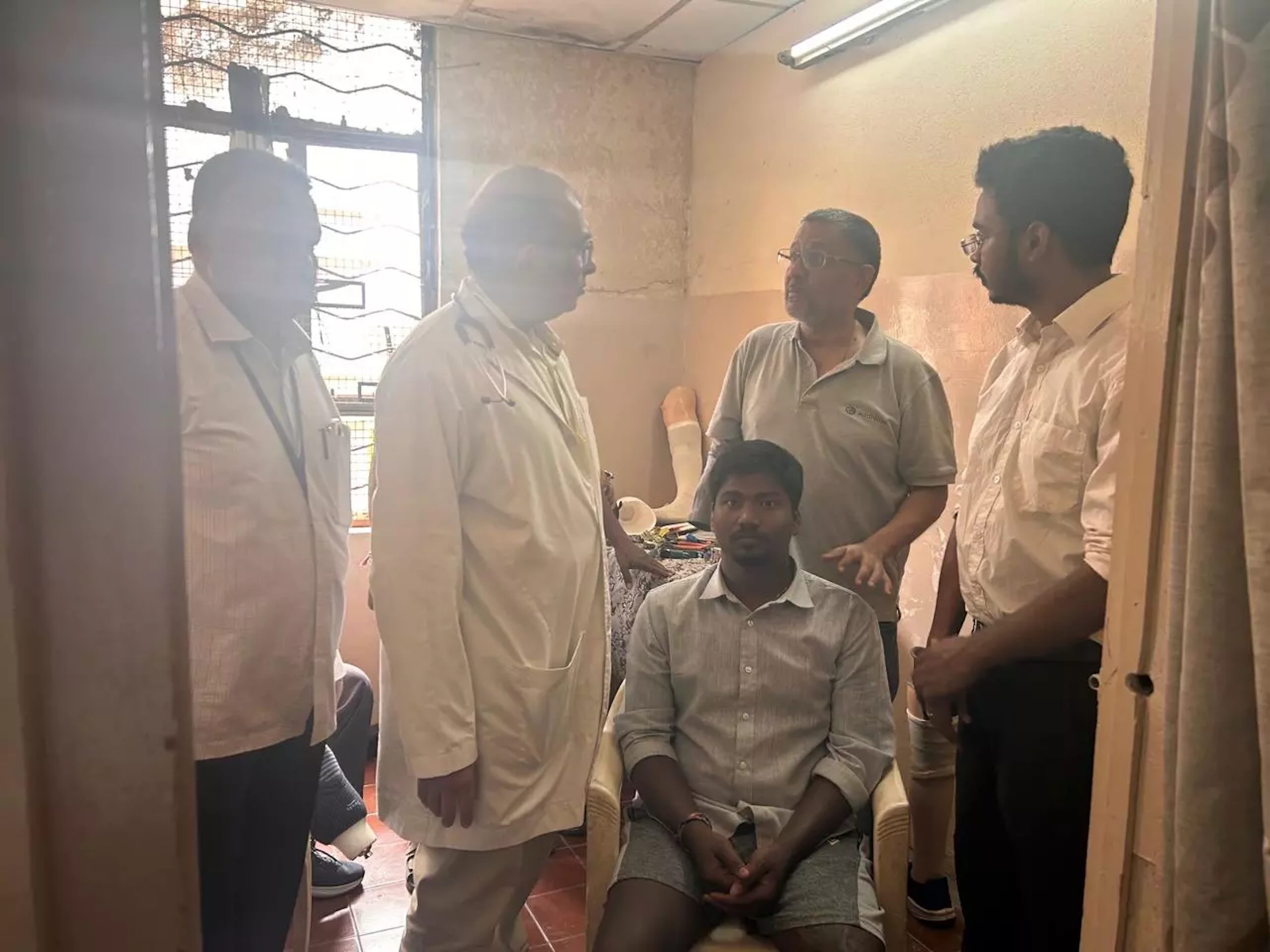
Conventional prosthetic devices often require lengthy fitting processes and can be heavy or ill-suited to individual anatomy, limiting comfort and mobility for amputees. 3D printed limbs address these limitations by using digital measurements and lightweight materials to match the exact dimensions of each patient. This approach allows for reduced pressure effects and improved ease of movement.
At OGH, the process begins when patients approach the Foot Care Centre or the endocrinology and orthopaedic departments. After certification by doctors, measurements are taken and sent to the manufacturer, who then produces and supplies the custom prosthetic limbs. The facility operates under the joint supervision of the endocrinology, general surgery, and orthopaedic departments.
Affordable Prosthetics for Indian Patients
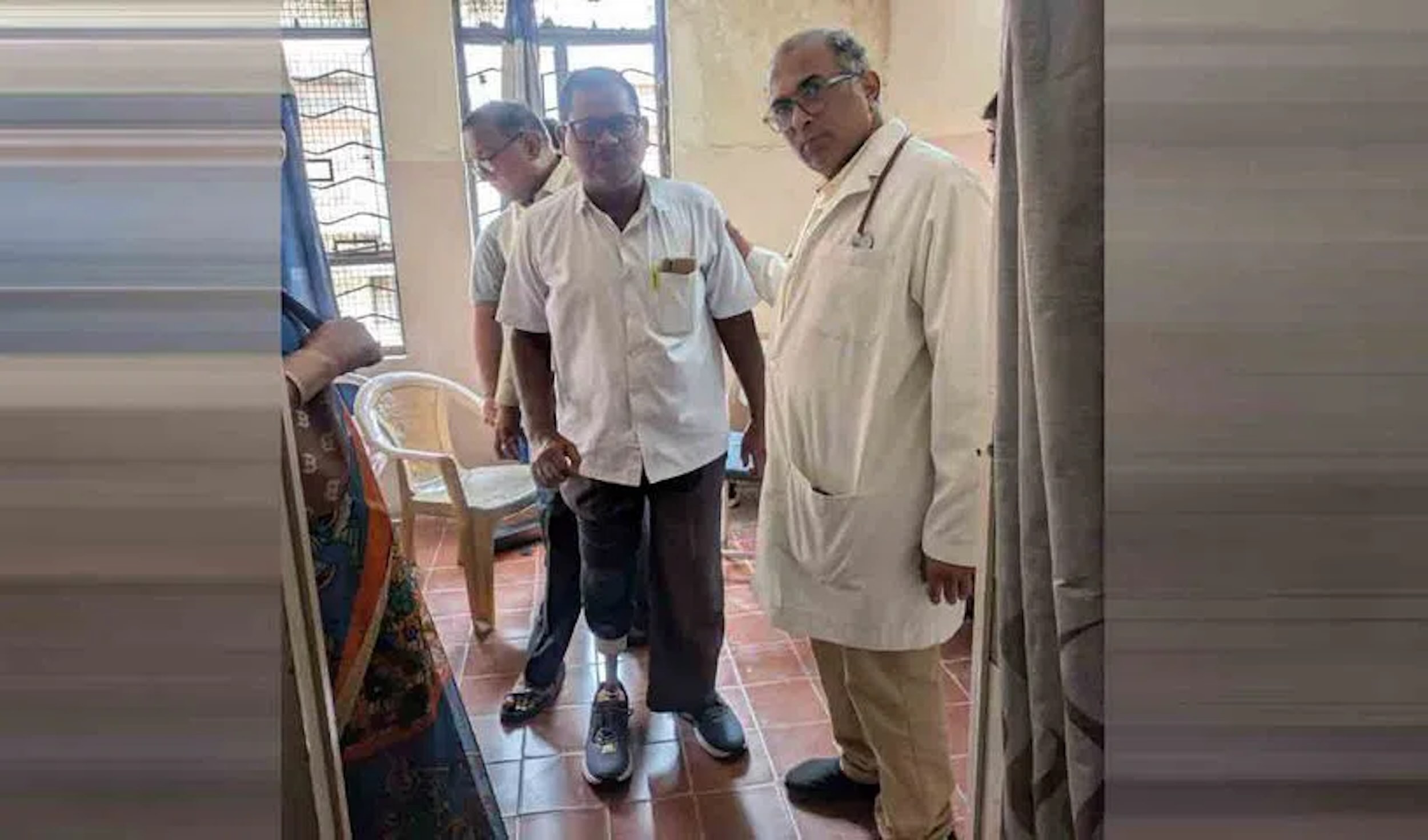
The cost advantage of 3D printed prosthetics is a significant factor in this initiative. Traditional prosthetic limbs in India can cost substantially more than ₹25,000, and the fitting process is often slower and less precise. By contrast, 3D printing enables faster production timelines and a higher degree of customisation at a lower price point, making affordable prosthetics in India a more attainable goal for public hospitals serving low-income populations. Indian startups are also driving progress in this space; Chennai-based Symbionic uses industrial-grade 3D printing technologies such as MJF and SLS to produce modular, custom-fit bionic arms.
In a statement issued during the inauguration, Dr Sahay expressed gratitude to the Rogi Sahayata Trust for facilitating the supply of artificial limbs and extending continued support so that economically disadvantaged patients can benefit from the service.
The Rogi Sahayata Trust, which facilitates the free supply of the prosthetics, plays a central role in ensuring the programme’s viability. The trust’s involvement enables OGH to absorb the full cost of each device, removing the financial barrier that often prevents amputee patients from accessing prosthetic care.
3D Printing Gains Healthcare Traction
OGH’s facility is part of a broader trend of Indian public hospitals adopting 3D printing technology to address gaps in patient care. In 2018, Kasturba Hospital in Manipal launched ‘HASTHA’, a 3D printing facility for artificial limb manufacturing that provided custom prosthetics to children. The technology has since seen increasing adoption across the country for applications ranging from surgical planning models to custom prosthetic limbs and implants. For a government hospital to offer 3D printed limbs at no cost represents a notable step in making advanced prosthetic care accessible beyond private healthcare settings.
Compared with traditional manufacturing methods, 3D printing offers distinct advantages in prosthetics: faster turnaround from measurement to fitting, greater precision in matching patient anatomy, and the use of lightweight materials that reduce strain during daily use. These factors make the technology particularly well-suited to high-volume public hospital environments where cost and speed are critical constraints.
With the new facility now operational, OGH aims to extend the reach of its 3D printed limbs programme to a wider base of amputee patients across Telangana. The hospital’s integration of 3D printing into its rehabilitation services signals growing institutional confidence in the technology’s role within India’s public healthcare infrastructure.


