



Rosatom, Russia’s state nuclear and technology corporation, has delivered and commissioned its RusBeam 2800 industrial 3D printer in India, equipping the Indian Space Research Organisation (ISRO) with the country’s largest vacuum-operated electron-beam wire deposition system for aerospace component production. The Rosatom 3D printer India deployment, awarded through a competitive international tender, marks the corporation’s formal entry into the Indian additive manufacturing market.
The system, based on Electron Beam Additive Manufacturing (EBAM) technology, is intended to support ISRO’s Gaganyaan crewed spaceflight mission, the Bharatiya Antariksh Space Station programme, and the Chandrayaan lunar missions.
Rosatom 3D Printer India Capabilities
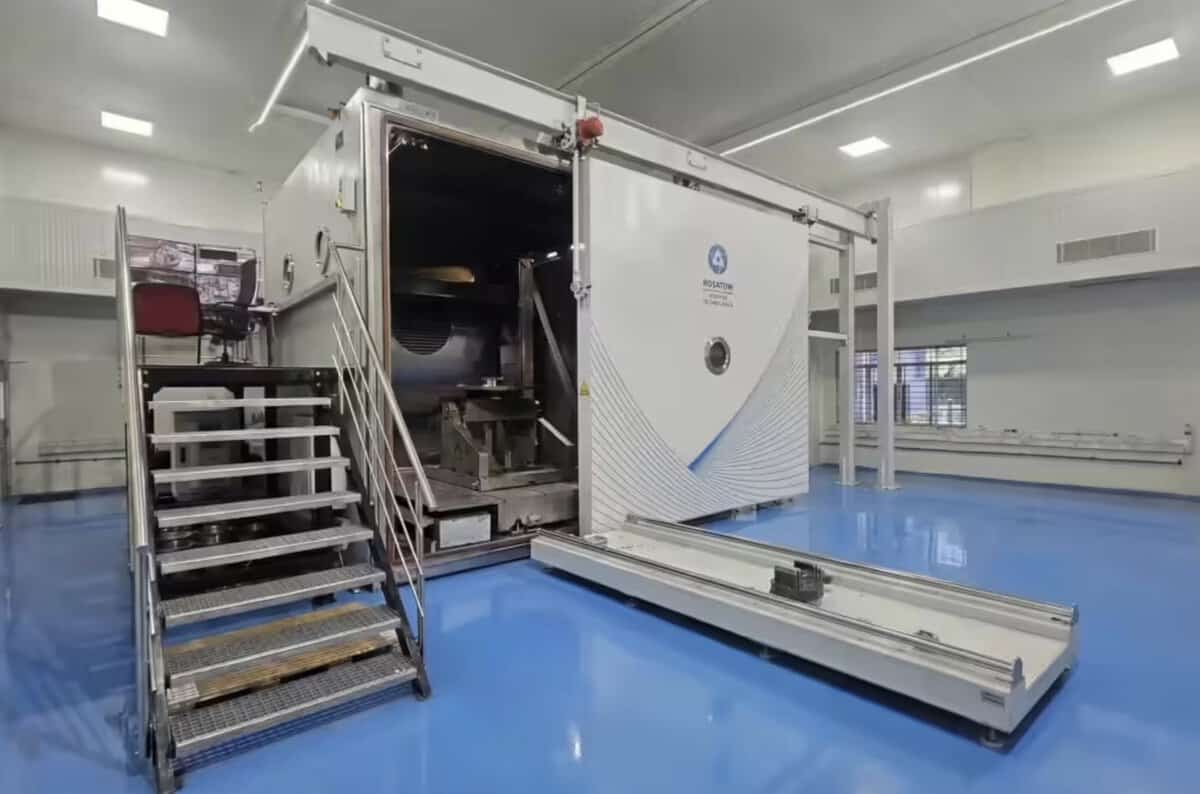
The RusBeam 2800 is custom-built for its Indian client and operates on software developed by Rosatom. The system can fabricate metal parts up to 2.8 metres in height and weighing up to four tonnes, including components with complex geometries that are difficult or impossible to produce through conventional casting or machining.
With a print speed of up to 50 mm/s, the machine can produce a 50 kg component in approximately five hours, offering significantly faster turnaround than traditional subtractive manufacturing processes. The printer is compatible with titanium-, nickel-, and cobalt-chrome-based alloys, as well as other refractory and reactive materials commonly used in aerospace applications requiring high strength, heat resistance, and structural reliability. The system’s vacuum-controlled environment ensures metallurgical consistency, which is critical for components destined for the extreme conditions of space.
“Rosatom is making a pivotal contribution to the strategic technological partnership between Russia and India. We won this tender offering not only cutting-edge Russian hardware but also our technological expertise, materials, and service, all tailored to the customer’s requirements. We are already in discussions with our Indian partners regarding further supplies, joint R&D in additive technologies, as well as potential localisation of equipment manufacturing in India.”
— Alexey Likhachev, Director General, Rosatom
EBAM Technology for Gaganyaan Mission
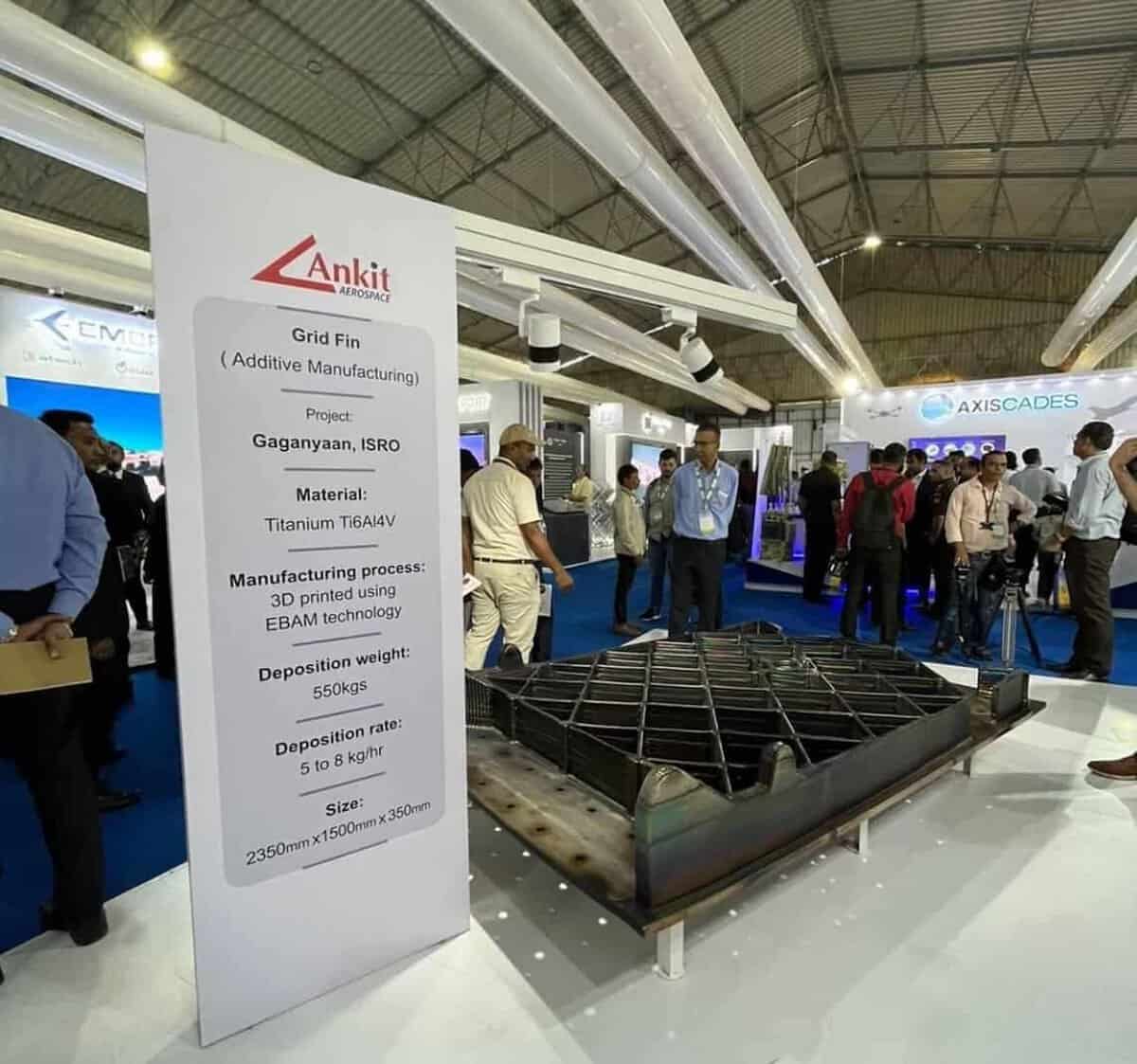
For ISRO, the acquisition represents the latest in a series of capability upgrades (building on the organisation’s growing investment in additive manufacturing) at a time when India is preparing for long-duration human spaceflight and expanded deep-space exploration. An engineer at ISRO’s Vikram Sarabhai Space Centre in Thiruvananthapuram described the EBAM system as enabling a significant improvement in the organisation’s ability to fabricate large-scale, near-net-shape components from advanced alloys.
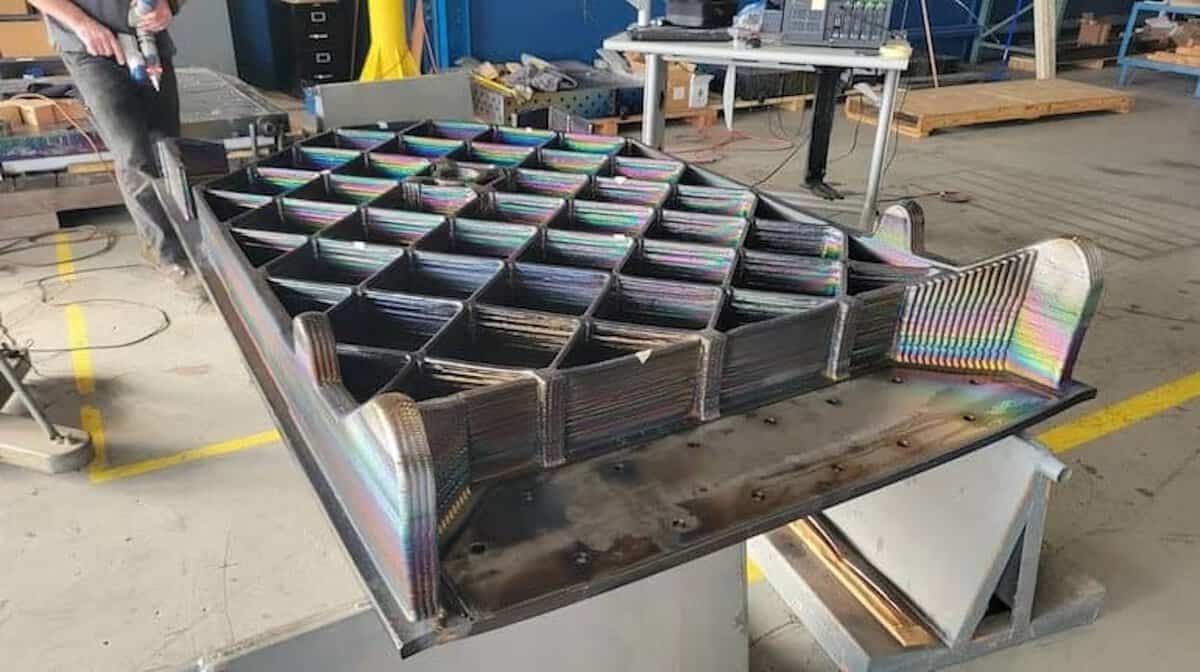
The technology is expected to reduce lead times for complex aerospace structures from months to days while maintaining the material integrity required for space environments. ISRO has identified the system as a key asset for achieving rapid prototyping and production goals essential to its future orbital infrastructure programmes. EBAM deposits only the required volume of material rather than machining from solid billets, with metal utilisation rates approaching 90%. Complex parts that previously required multiple welded elements can now be fabricated as single components.
India-Russia AM Partnership Expands
The delivery forms part of a broader framework between Indian organisations and Rosatom covering additive manufacturing technologies and materials, valued at approximately ₹20 crore. The deal follows the December 2025 summit between Russian President Vladimir Putin and Indian Prime Minister Narendra Modi, which emphasised deeper cooperation in both nuclear and non-nuclear technologies.
Rosatom has indicated that discussions are already underway with Indian partners regarding further equipment supplies, joint research and development in additive technologies, and the potential localisation of equipment manufacturing in India. In March 2026, the corporation signed a memorandum of university with HMT Limited, a public-sector engineering company, to manufacture additive technology machines domestically, a move aligned with India’s Make in India initiative for the aerospace and defence sectors. Rosatom’s export proposition is built around a fully integrated additive manufacturing ecosystem combining proprietary hardware, software, materials, services, and turnkey technology centres.
As India accelerates its space ambitions through programmes like Gaganyaan and Chandrayaan, the Rosatom 3D printer India deployment positions ISRO to reshape how mission-critical aerospace components are designed, manufactured, and qualified, reducing reliance on conventional production methods and shortening development cycles for the country’s most demanding space missions.


