



Apple, the Cupertino-based consumer electronics giant, is reportedly developing an iPhone Fold 3D printed hinge engineered to minimise the visible screen crease that has long undermined foldable smartphones. According to fresh supply-chain leaks circulating from China, the technology will play a central role in Apple's debut entry into the foldable category, expected in late 2026.
The information was first shared by tipster Fixed Focus Digital on Weibo, who claimed Apple is investing in "chip-level high-molecular 3D printing technology" for the hinge assembly of its first foldable handset. While the device remains unconfirmed, the leak aligns with multiple earlier reports indicating Apple has prioritised crease reduction as the defining engineering goal of the iPhone Fold programme.
The iPhone Fold 3D Printed Hinge
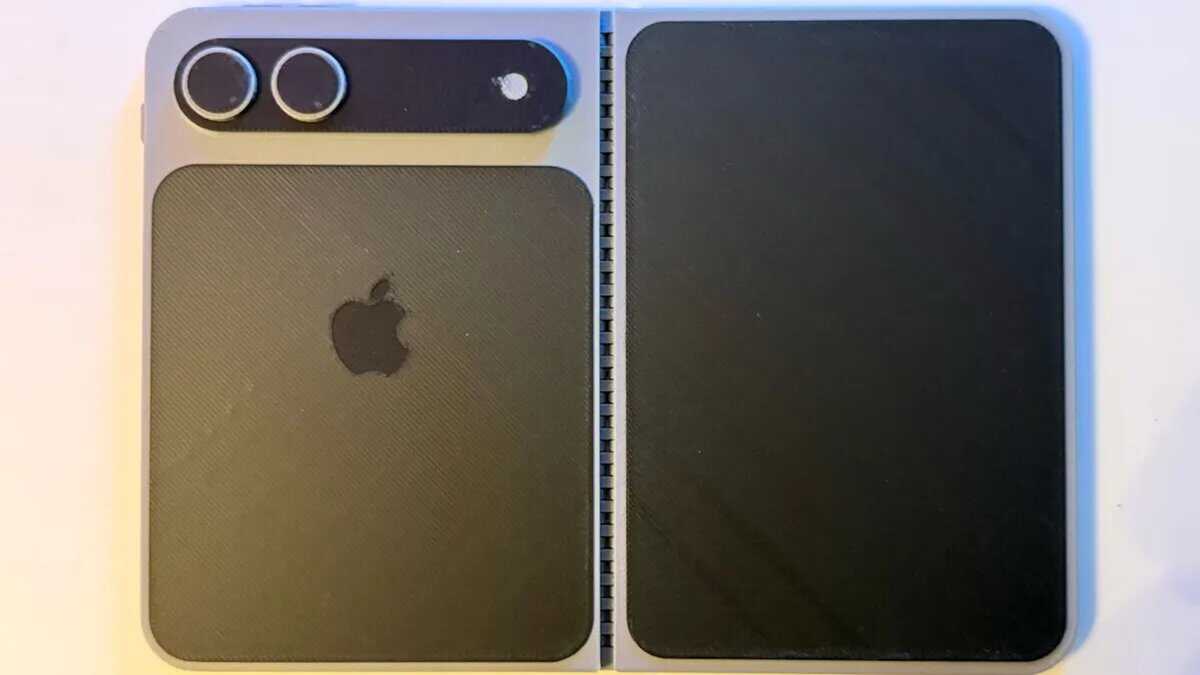
Conventional foldable hinges are manufactured through CNC machining and multi-part assembly, a process that struggles to hold the micron-level tolerances needed to keep a flexible OLED panel from creasing along a single repeated fold line. The result, on most current foldables, is a visible groove that deepens with use and a hinge mechanism that adds bulk to the closed device.
The iPhone Fold 3D printed hinge is a rumoured Apple component that uses precision additive manufacturing to fabricate the folding mechanism beneath the device's inner display. By 3D printing the hinge, Apple can reportedly achieve tighter tolerances than subtractive machining allows, letting the flexible OLED panel sit more evenly across the fold line and resist the formation of a sharp crease over repeated use cycles.
Apple is no stranger to additive manufacturing in consumer hardware. The company already uses 3D printed titanium for the USB-C port on the iPhone Air and for select Apple Watch cases, building on a metal additive manufacturing programme that began with stainless steel experiments on the Apple Watch Series 9. Extending the process to a structural component like the hinge represents a meaningful step in how deeply Apple is integrating additive manufacturing into its product roadmap, with separate reports also indicating the company is exploring 3D printed aluminium enclosures for future iPhone models.
Dual-Layer Glass Supports Crease Reduction

Beyond the hinge itself, reports indicate the iPhone Fold will pair the 3D printed mechanism with a dual-layer display stack combining Ultra-Thin Glass (UTG) and a secondary ultra-flexible glass layer. The arrangement reportedly prevents the OLED panel from making direct contact with the hinge during folding, which should reduce mechanical stress on the screen and contribute further to foldable phone crease reduction.
Together, the two innovations are intended to address the two factors that produce visible creases on current foldables: uneven hinge pressure and panel-on-metal abrasion at the fold point.
"We knew 3D printing was a technology with so much potential for material efficiency, which is critical for getting to Apple 2030."
— Sarah Chandler, Vice President of Environment and Supply Chain Innovation, Apple
Comparison With Samsung and Oppo
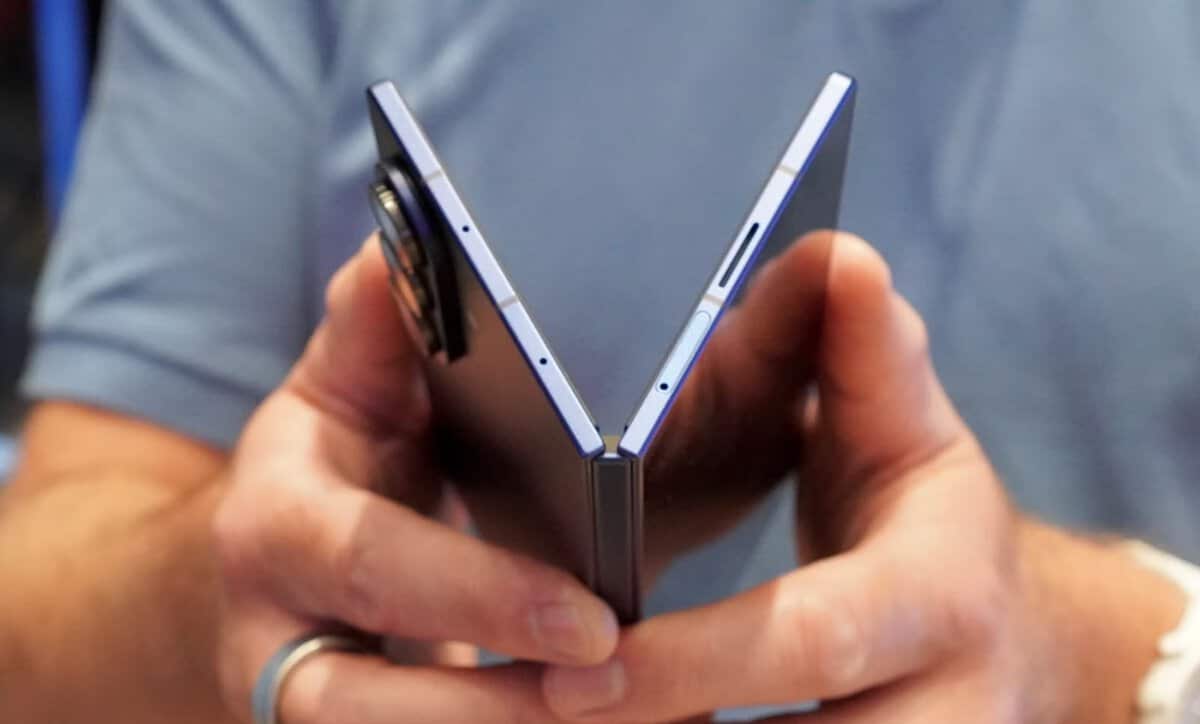
Apple is entering a category already shaped by established players. Samsung's Galaxy Z Fold series remains the volume leader but continues to ship with a perceptible crease along the inner display. Oppo, meanwhile, has taken a different route with its Find N6, embedding a 3D printed photo-polymer layer beneath the folding area to soften the crease impression.
The 3D printed hinge iPhone approach appears closer to Oppo's philosophy than Samsung's, in that it relies on additive manufacturing to fix a structural problem rather than mask it with software or screen protectors. Where Apple may differ is in materials: leakers have repeatedly mentioned liquid metal and titanium alloys as candidates for the hinge, both of which would be unusual choices for a 3D printed structural part at this scale.
Production Plans and 2026 Launch Timeline
On the supply side, Apple is reportedly preparing orders for up to 20 million foldable display panels from Samsung Display, a figure that suggests the company is planning for mainstream rather than niche volumes. The Apple foldable iPhone 2026 launch is currently expected to land alongside the iPhone 18 Pro range in the second half of the year.
Tipster track records remain mixed (Fixed Focus Digital has been correct on some past iPhone leaks and wrong on others) and Apple itself has yet to formally acknowledge that a foldable handset exists. Even so, the consistency of recent supply-chain reporting suggests the iPhone Fold 3D printed hinge is moving from rumour towards production reality, and the late-2026 window will determine whether Apple's first foldable can deliver the crease-free experience the company has reportedly spent years engineering.


