



Apple, the Cupertino-based technology giant, is reportedly exploring a 3D printed aluminum iPhone chassis as part of a broader additive manufacturing strategy that could reshape how its consumer devices are produced. According to Mark Gurman's Power On newsletter for Bloomberg, the company's manufacturing design team and its operations department are jointly developing methods to 3D print aluminium, beginning with Apple Watch casings and potentially extending to iPhone enclosures.
The development follows Apple's established use of 3D printed titanium in the Apple Watch Ultra 3 and Apple Watch Series 11, as well as in the USB-C port on iPhone Air. Apple's exploration of additive manufacturing for its wearables was first reported in 2023, when analyst Ming-Chi Kuo predicted that the Apple Watch Ultra would feature 3D printed titanium components. The shift from titanium to aluminium now signals Apple's intent to scale metal 3D printing across its mainstream product lines.
3D Printed Aluminium for iPhones
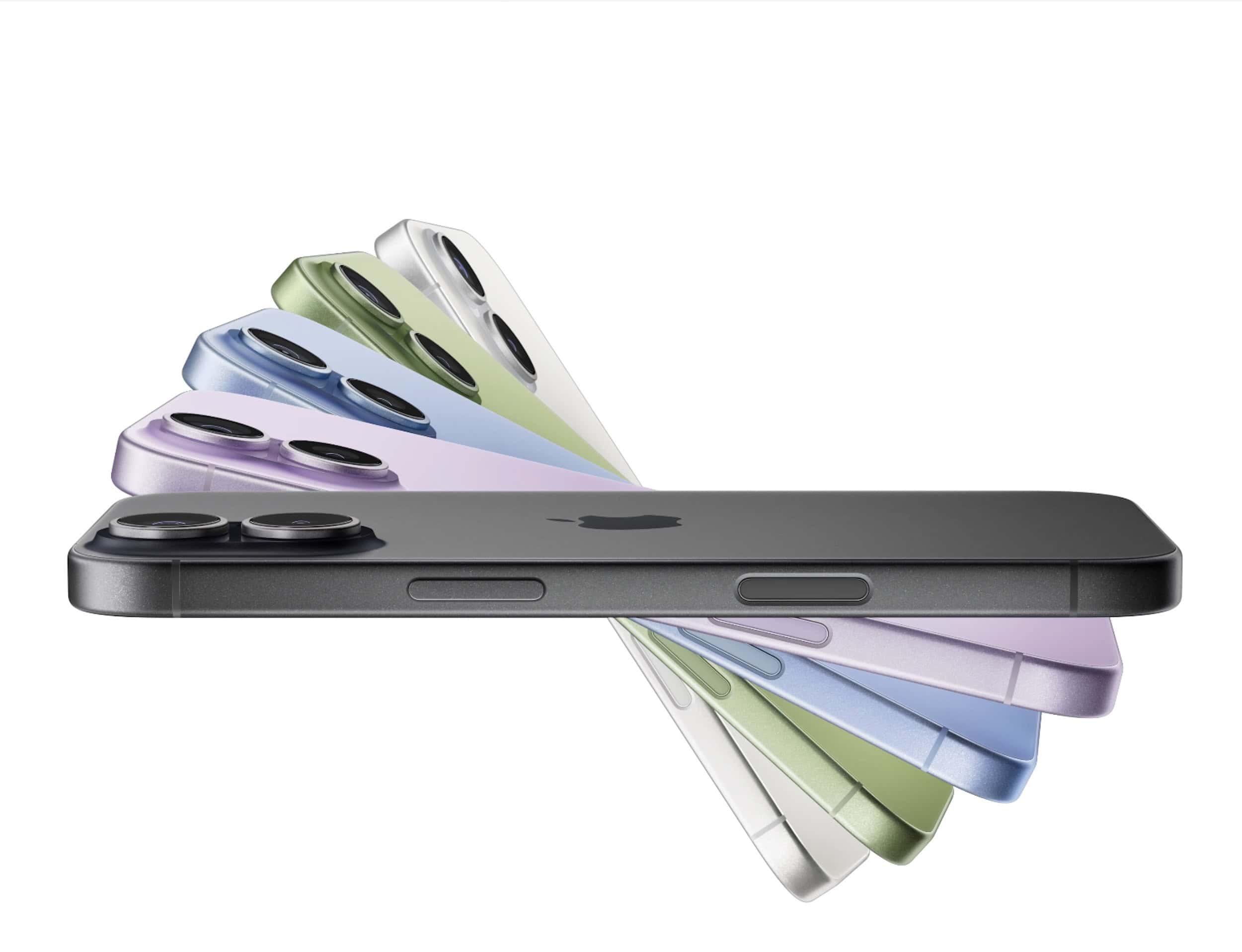
Conventional manufacturing of iPhone enclosures relies heavily on Computer Numerical Control (CNC) machining, a subtractive process that carves aluminium casings from solid metal billets. While CNC machining delivers high precision, the process generates significant material waste, as large portions of raw aluminium are removed and discarded during production.
Apple's exploration of a 3D printed aluminium enclosure aims to address these inefficiencies. The technology likely involves Laser Powder Bed Fusion (LPBF), a metal 3D printing process that builds components layer by layer from aluminium powder. This additive approach requires considerably less raw material than subtractive machining, resulting in higher material utilisation and reduced production waste.
If the process reaches production, 3D printed aluminium casings are expected to appear first in future Apple Watch models before expanding to iPhone enclosures. The transition could lower production costs and potentially reduce retail prices, a pattern already demonstrated by Apple's approach to the recently launched MacBook Neo.
Apple Watch Titanium Printing Precedent
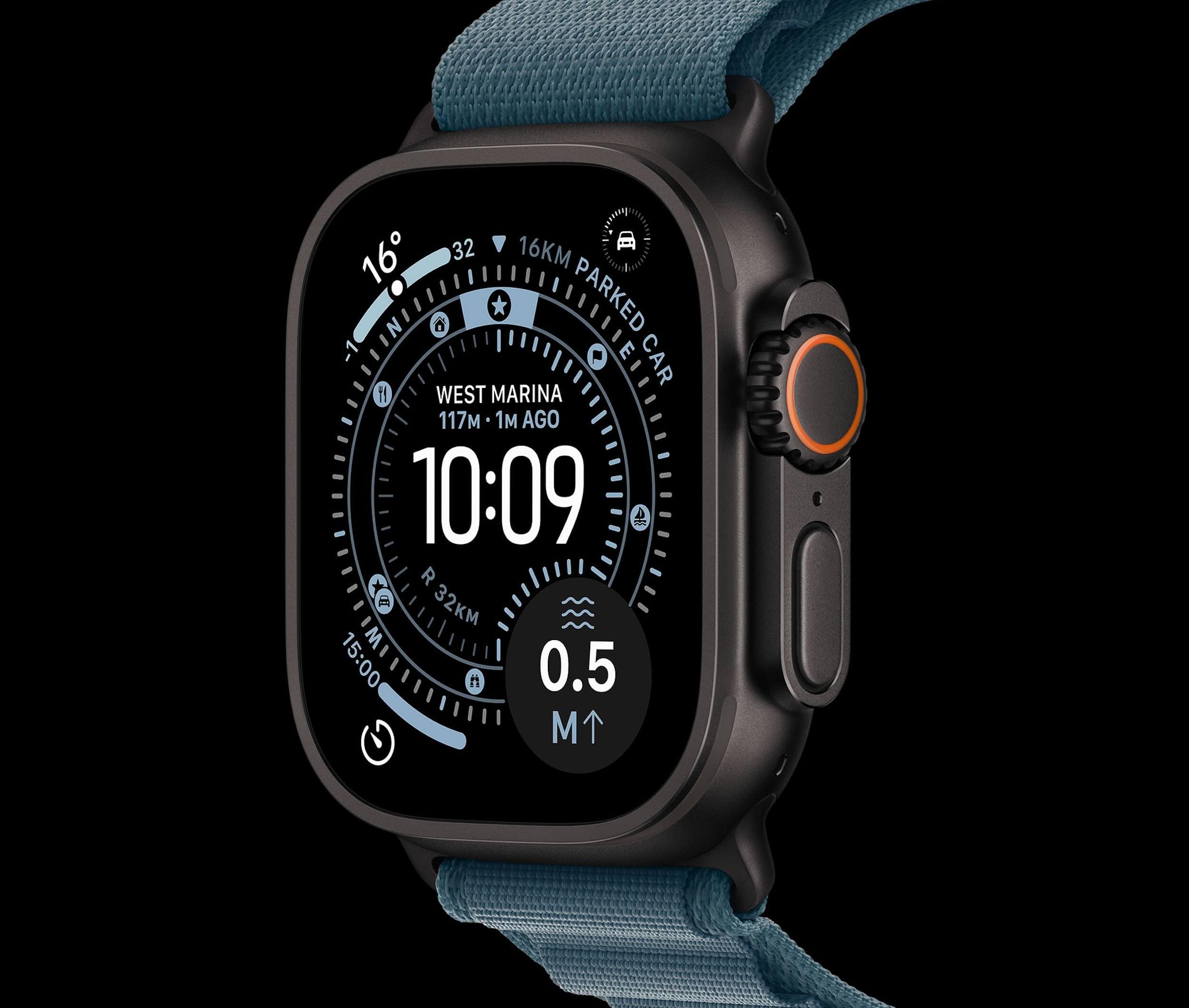
Apple's additive manufacturing ambitions are not theoretical; they are already in production. The Apple Watch Ultra 3 features a 3D printed titanium casing produced using 100% recycled aerospace-grade titanium powder. Apple estimates more than 400 metric tons of raw titanium will be saved in 2025 alone, with each case using approximately 50% less raw material than previous generations.
"We've watched this technology mature for a long time and seen its prototypes become more representative of our designs. Using less material to make our products has always been the intention."
— Dr. J Manjunathaiah, Senior Director of Manufacturing Design for Apple Watch and Vision, Apple
Beyond cost and material savings, 3D printing enabled design improvements previously inaccessible through conventional forging. Apple used the technology to print textures on internal surfaces that improved waterproofing for the antenna housing in cellular Apple Watch models, achieving stronger bonding between plastic and metal. iPhone Air also benefits, with its titanium USB-C port manufactured through 3D printing for a thinner and more durable design.
MacBook Neo's New Aluminium Process
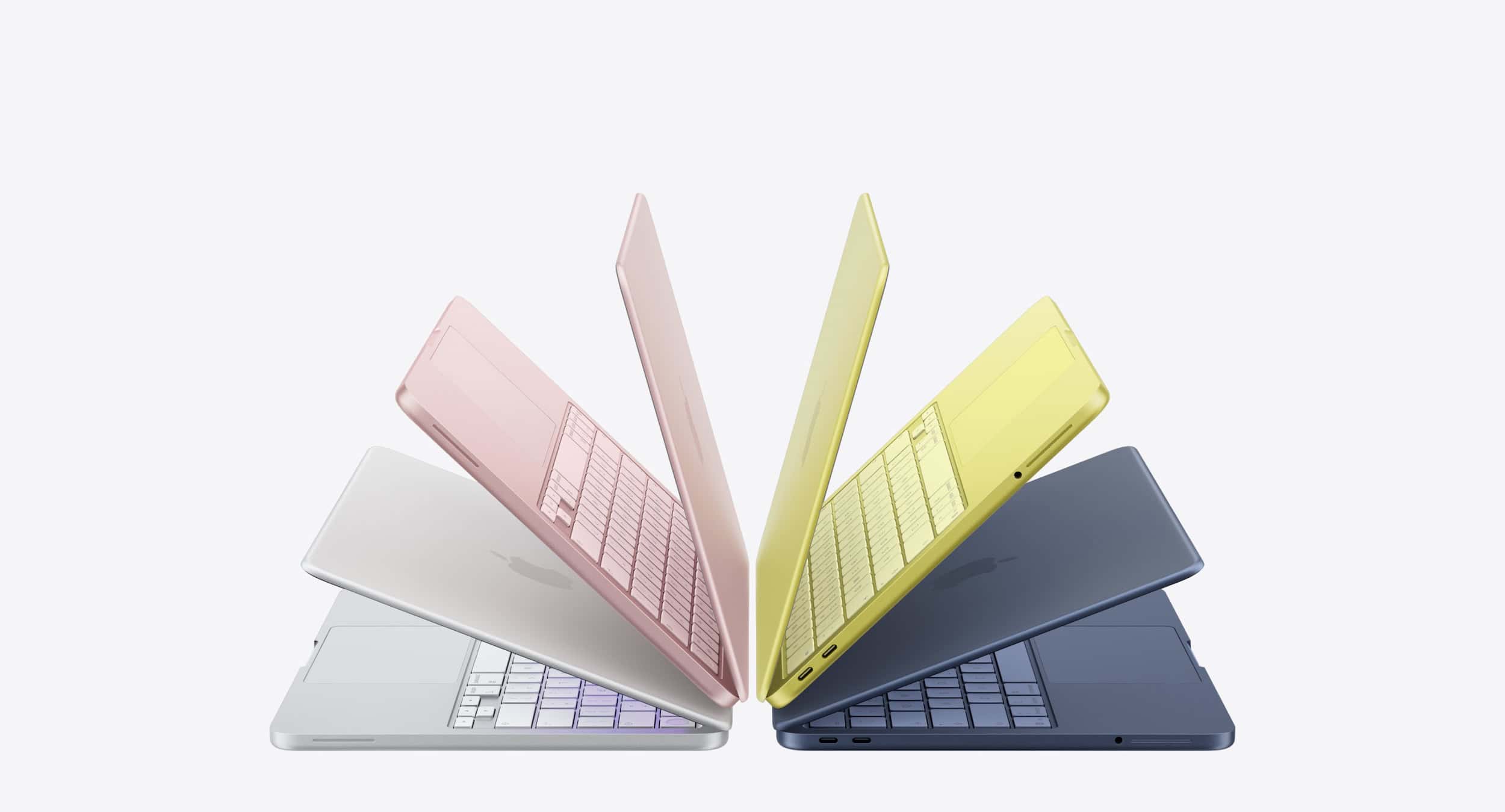
Apple's recently launched MacBook Neo, priced at US $599, provides further context for the company's manufacturing direction. While the MacBook Neo does not use 3D printing, it employs a new aluminium process that reduces material consumption by approximately 50% compared with traditional methods. The approach allowed Apple to retain a durable aluminium chassis in its most affordable MacBook while significantly lowering material costs.
Gurman reports that Apple's manufacturing design and operations teams are now extending 3D printing to aluminium for greater production efficiency. Bloomberg had previously reported in 2024 that Apple was actively testing 3D printing for Apple Watch chassis, a report that triggered a notable rally in 3D printing stocks.
Gurman further notes that Apple may extend its 'Neo' branding to the Apple Watch SE in future, suggesting the cost-reduction strategy could span multiple product categories.
Broader Impact on Additive Manufacturing
Apple's move to extend metal 3D printing from titanium to aluminium in mass-market devices marks a significant development for the additive manufacturing industry. Should a 3D printed aluminium iPhone reach production, it would represent one of the highest-volume applications of metal 3D printing in consumer electronics to date.
"We're never doing something just to do it once — we're doing it so it becomes the way the whole system then works."
— Sarah Chandler, Vice President of Environment and Supply Chain Innovation, Apple
The development carries sustainability implications. By reducing material waste and utilising recycled metal powders, Apple's approach aligns with broader industry trends toward sustainable manufacturing. However, the company has not confirmed a timeline for when 3D printed aluminium enclosures might enter mass production.


